0%

Choosing the best China Ocean Freight Forwarding Service is not simply about finding the lowest rate. It requires practical judgment. A reliable forwarder should connect factories in Shenzhen, Ningbo, or Qingdao with overseas warehouses smoothly. It should also provide accurate schedules, clear charges, cargo tracking, and responsive support when plans change. A delayed 40-foot container can affect production, retail launches, and customer trust.

Lars Jensen, founder of Vespucci Maritime and an experienced container shipping analyst, has stated, “The container shipping industry is a network industry.” This observation matters when evaluating a forwarding partner. A strong Ocean Freight Forwarding Service depends on carrier relationships, port knowledge, documentation accuracy, and realistic communication. Ask how the company handles vessel rollovers, blank sailings, port congestion, and changing cut-off times. Small details matter. A missed document deadline can stop a shipment before loading.

Experience also deserves careful examination. Some providers present attractive online prices but explain local fees poorly. That is a warning sign. The best partner may not be the cheapest option. It may be the company that answers quickly at 6 a.m., checks a packing list twice, and explains an unexpected surcharge without hiding behind jargon. Even experienced forwarders make mistakes. The important question is whether they admit them, correct them, and improve their process. This guide compares the practical standards that separate dependable China freight forwarding from merely convenient booking.
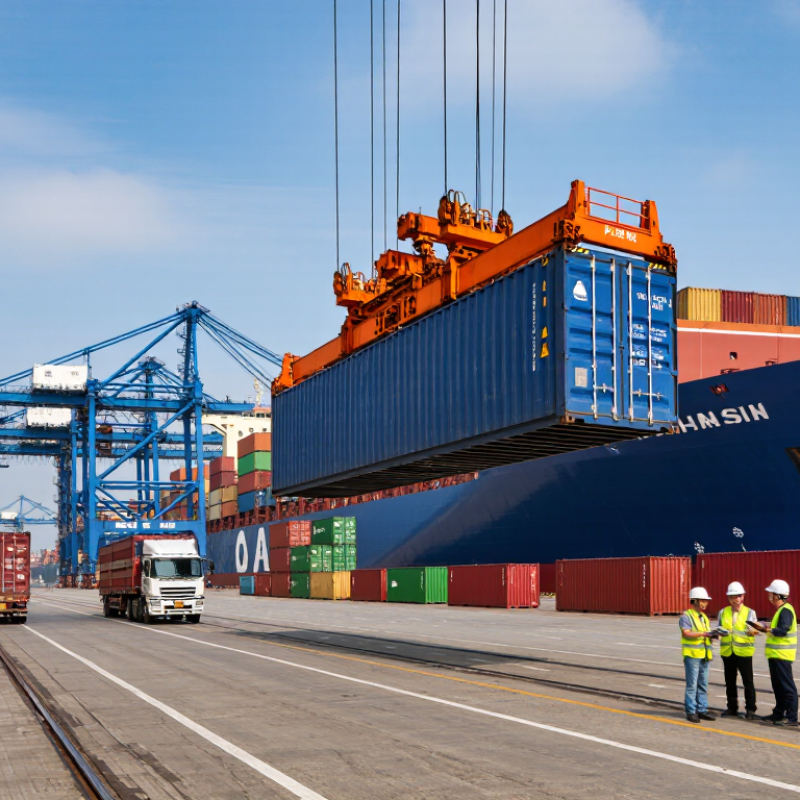
What Is the Best China Ocean Freight Forwarding Service?

What Is a China Ocean Freight Forwarding Service?

What Is the Best China Ocean Freight Forwarding Service?

A China ocean freight forwarding service coordinates cargo movement from a supplier to a destination port. It usually manages booking, export documentation, port handling, customs communication, and inland delivery. The forwarder acts as a practical link between factories, shipping lines, warehouses, and consignees.

A reliable service begins with accurate cargo information. Weight, dimensions, product type, pickup address, and delivery terms affect the quotation. For example, a pallet waiting outside a warehouse may incur storage or detention charges. Experienced forwarders check container availability, sailing schedules, cut-off times, and port congestion before confirming a booking. They also explain whether the shipment is full-container load or less-than-container load.

Small details matter.

In daily freight operations, a clear document checklist prevents avoidable delays. Commercial invoices, packing lists, and transport instructions must match the actual cargo.

The forwarder should provide milestone updates, including pickup, loading, departure, transshipment, and arrival. Tracking alone is not enough; someone must interpret a delay and contact the right party.

Ocean transport is rarely perfect. Weather, inspections, rolled bookings, and terminal congestion can change plans. I have seen optimistic delivery estimates create unnecessary pressure, even when the cargo was handled correctly. A trustworthy partner states limitations early and records charges clearly. Customers should compare service scope, communication quality, insurance options, and compliance procedures rather than choosing only the lowest rate.

How China Ocean Freight Forwarders Manage International Shipments

China ocean freight forwarders manage international shipments through tightly connected operational steps. UNCTAD’s Review of Maritime Transport reports that about 80% of global merchandise trade by volume moves by sea. That scale makes planning essential. Forwarders compare sailing schedules, vessel space, port congestion, and container availability before confirming a booking. Details matter.

An experienced forwarder checks commercial invoices, packing lists, shipping instructions, and verified gross mass data. The team also coordinates cargo pickup, warehouse loading, customs documentation, and terminal cut-off times. A practical shipment plan should show each milestone clearly. For example, a dashboard may display booking confirmation, container loading, gate-in, departure, transshipment, and arrival. The World Bank’s Logistics Performance Index 2023 highlights tracking and tracing as important logistics capabilities. Customers need more than a departure date. They need evidence.

Disruptions still happen. Weather, equipment shortages, blank sailings, and port delays can change the original schedule. A responsible forwarder reports these risks early and offers realistic alternatives, such as another sailing or a different transshipment route. Cost control also requires careful checking of destination charges, storage exposure, and demurrage rules. No workflow is perfect. Even experienced teams can miss a document detail during busy seasons. Regular document reviews and direct communication reduce that risk. The best service is not simply the cheapest ocean rate; it is steady coordination, transparent updates, and informed decisions when the plan changes.

Which Services Should the Best Forwarder Provide?

A reliable China ocean freight forwarder should manage more than vessel bookings. The service should begin with a clear shipping plan. It should cover cargo pickup, export documentation, port delivery, and final destination arrangements. Experienced staff should explain transit times honestly, including possible delays during holidays or port congestion. They should also recommend suitable container types after checking cargo size, weight, packaging, and loading requirements.

Strong communication matters throughout the shipment. The forwarder should provide a written quotation with freight charges, local fees, customs services, and possible surcharges. No vague pricing. Regular tracking updates should show container status, vessel schedules, document progress, and arrival changes. A responsive contact person can prevent small errors from becoming expensive problems. In my experience, a fast reply is useful, but accurate advice is more valuable.

Professional compliance support is essential. The forwarder should check commercial invoices, packing lists, certificates, and destination requirements before cargo moves. Secure document handling also protects customer information. A dependable service should offer cargo insurance options and explain coverage clearly, without making unrealistic promises. It should keep shipment records and provide practical solutions when schedules change. No provider avoids every problem. That is the honest part. I would still question any forwarder that cannot explain its process, provide references, or review mistakes openly.

How to Evaluate China Ocean Freight Forwarders

Choosing the best China ocean freight forwarding service requires more than comparing prices. Evaluate how the forwarder works in real shipping conditions. Ask about experience with your cargo type, common ports, container planning, and seasonal delays. A reliable forwarder should explain each step clearly, from booking to destination delivery.

Request recent performance data, not only attractive promises. Check sailing schedules, transit-time accuracy, response speed, and documentation practices. Ask for a complete quotation with handling fees, storage charges, and possible surcharges. The cheapest offer may become expensive after delays. Confirm the forwarder’s knowledge of customs procedures and compliant international shipping requirements. References from similar businesses can also reveal practical strengths and weaknesses.

Tips: Ask for a sample shipment timeline. Request the name of your daily contact. Compare written quotations line by line. Check how problems are reported.

Communication matters during port congestion or unexpected inspections. A professional team should provide timely updates and realistic options. I have learned that fast replies do not always mean strong operations. Some teams communicate beautifully but lack useful contingency plans. This is easy to overlook. Evaluate both their promises and their documented results. No method is perfect, so review your own priorities, including cost, speed, cargo visibility, and service consistency.

What Is the Best China Ocean Freight Forwarding Service? — How to Evaluate China Ocean Freight Forwarders

Use the following practical criteria to compare forwarding services for shipments originating from China. Cost and transit data are indicative benchmarks and should be confirmed for the specific route, season, cargo, and shipping terms.

Evaluation Dimension What to Check Typical Industry Benchmark Strong Service Indicator Warning Sign Suggested Weight
Route Coverage Available origin ports, destination ports, transshipment options, and inland delivery capabilities. Service from major Chinese ports to the main ports in North America, Europe, Southeast Asia, and Oceania. Offers multiple routing options and can handle port or carrier changes without disrupting the shipment. Only one routing option is offered, with limited alternatives during peak seasons. 15%
Transit-Time Reliability Difference between quoted transit time and actual door-to-door delivery time. Ocean transit commonly ranges from approximately 10–20 days within Asia, 20–35 days to Europe, and 25–45 days to North America, excluding customs and inland delays. Provides realistic schedules, milestone updates, and documented performance data. Promises unusually short transit times without explaining transshipment or inland arrangements. 15%
Rate Transparency Clarity of ocean freight, origin charges, destination charges, documentation fees, and surcharges. A written quotation identifies the validity period, currency, charge basis, free time, and excluded costs. Quotation separates included and excluded items and explains possible peak-season or fuel-related surcharges. Very low headline rate followed by unclear destination fees or last-minute additions. 15%
Equipment and Space Availability Ability to secure containers and vessel space during normal and peak periods. Confirmation is normally required before the carrier’s cut-off date, with earlier planning recommended before major holidays. Provides booking confirmation, equipment status, cut-off dates, and alternatives when space is constrained. Repeated rollovers, missing equipment updates, or bookings confirmed only verbally. 12%
Customs and Documentation Commercial invoice, packing list, bill of lading, export declaration, certificates, and import support. Documents should be checked before cargo cut-off and issued consistently with the agreed shipping terms. Uses a document checklist and identifies commodity-specific requirements before booking. Frequent document corrections, inconsistent cargo descriptions, or unclear responsibility for customs filing. 12%
Cargo Visibility Tracking quality from factory receipt through loading, transshipment, arrival, customs, and final delivery. Milestone updates are available for booking, container release, gate-in, loading, departure, arrival, and delivery. Offers an online tracking portal or scheduled exception alerts with a named contact for urgent issues. Tracking shows only vessel departure and arrival, with no explanation for delays. 10%
Cargo Protection Container loading standards, packaging guidance, cargo insurance, damage reporting, and claims handling. Insurance is normally arranged separately unless explicitly included in the quotation. Provides loading photos when requested, recommends suitable coverage, and documents claims procedures. Assumes carrier liability is equal to full cargo insurance or refuses to explain claim limits. 10%
Customer Support Response time, escalation process, language coverage, and availability during shipment disruptions. Routine inquiries should receive a response within one business day; urgent shipment issues require faster escalation. Assigns a dedicated account contact and provides written escalation procedures. Messages are unanswered for several business days or transferred repeatedly between departments. 8%
Compliance and Security Licensing, trade compliance, restricted-party screening, cargo security, and data protection procedures. Compliance requirements vary by origin, destination, commodity, and importer or exporter status. Provides verifiable credentials, follows documented compliance procedures, and requests accurate cargo information. Suggests inaccurate declarations, undervaluation, or avoidance of customs requirements. 8%
Service Suitability by Shipment Type Capability for full-container load, less-than-container load, oversized cargo, dangerous goods, temperature-sensitive goods, or project cargo. Special cargo requires advance approval, correct classification, and route-specific handling procedures. Demonstrates relevant procedures, permits, packaging requirements, and carrier acceptance rules. Accepts special cargo without asking for safety data, dimensions, weight, or regulatory information. 5%

Recommended comparison method: request equivalent door-to-door quotations from at least three providers, use the same shipment details and Incoterms, then score each criterion from 1 to 5. The lowest price should not be selected unless the total landed cost, reliability, compliance, and support quality are also acceptable.

What Factors Affect Forwarder Choice and Shipping Costs?

What Is the Best China Ocean Freight Forwarding Service?

The best forwarder is not always the cheapest. In practical shipping work, service quality depends on routing knowledge, communication, and document accuracy. A forwarder should explain sailing schedules, transshipment risks, port handling, and customs requirements clearly. UNCTAD’s Review of Maritime Transport 2024 reported that global maritime trade grew by 2.4% in 2023. This growth increases pressure on vessel space and port capacity. Small delays can become expensive.

Several factors shape the final freight cost. Origin location matters because inland trucking from factories in inland provinces may exceed coastal pickup costs. Cargo type, container size, weight, season, fuel adjustments, port congestion, and destination charges also change the quotation. Incoterms are important. They define which party pays transport, insurance, duties, and local handling. A low ocean rate may hide costly destination fees. Ask for a complete, itemized quote.

Reliability needs measurable evidence. The World Bank’s Logistics Performance Index 2023 ranked China 19th among 139 economies, with a logistics score of 3.7. However, national performance does not guarantee one forwarder’s performance. Request recent transit-time records, sailing alternatives, cargo-tracking procedures, and claims-handling details. Check whether the provider uses direct services or multiple transshipments. Fewer transfers often reduce handling risk, but not always the total cost. I have seen attractive quotes fail because delivery assumptions were vague. That deserves reflection. Choose the clearest offer, not merely the lowest number.

FAQS

What does an ocean freight forwarder manage?

It coordinates booking, cargo pickup, warehouse loading, export documents, port delivery, and destination arrangements. Details matter.

What documents should be checked before shipping?

Common documents include commercial invoices, packing lists, shipping instructions, certificates, and verified gross mass data. Errors can delay cargo.

How can customers track an international shipment?

A useful timeline shows booking, container loading, gate-in, departure, transshipment, and arrival. Customers need evidence, not only promises.

What can cause ocean shipping delays?

Weather, container shortages, port congestion, blank sailings, and inspections can change the original schedule. That can happen.

How should a forwarder handle unexpected delays?

The forwarder should report risks early and suggest realistic alternatives, such as another sailing or transshipment route.

What should a complete freight quotation include?

It should list ocean freight, local handling fees, customs services, storage exposure, and possible surcharges. No vague pricing.

How can a company evaluate a freight forwarder?

Ask about similar cargo, common ports, seasonal delays, document checks, response speed, and contingency plans. Promises are not enough.

Is the cheapest ocean rate always the best choice?

Not necessarily. Delays, storage charges, and poor communication can increase the final cost. I would question unusually low quotes.

Why is communication important during shipment changes?

Timely updates help customers adjust inventory, delivery plans, and budgets. Fast replies help, but accurate advice matters more.

What should customers review after choosing a forwarder?

Review shipment records, delays, document mistakes, extra charges, and update quality. No workflow is perfect. Reflection improves future decisions.

Conclusion

Choosing the best China Ocean Freight Forwarding Service requires understanding how international sea shipments are planned, coordinated, and delivered. A reliable forwarder connects exporters, carriers, ports, customs agents, warehouses, and final destinations to keep cargo moving efficiently. Its responsibilities may include booking vessel space, preparing shipping documents, arranging cargo consolidation, coordinating port handling, tracking shipments, and managing delivery schedules.

When evaluating a forwarder, businesses should consider service coverage, communication quality, industry experience, transit-time reliability, shipment visibility, and problem-solving capabilities. Shipping costs can be affected by cargo volume, weight, container type, origin and destination ports, seasonal demand, fuel prices, customs requirements, and additional storage or handling services. The best choice is not always the lowest quotation, but the provider that offers transparent pricing, dependable coordination, flexible solutions, and consistent support. Comparing service details and total logistics value can help businesses select a forwarding partner that balances cost, efficiency, and operational reliability.

Alexander

Alexander

Alexander is a dedicated marketing professional with a strong understanding of the company’s products, customers, and industry environment. Through years of experience in market research, content strategy, and customer communication, he transforms complex product information into clear, practical,......