0%

China’s perishable-goods market is expanding quickly, driven by fresh food, pharmaceuticals, seafood, flowers, and prepared meals. This growth makes reliable Perishable Goods Logistics increasingly important. Temperature changes, delayed customs clearance, poor packaging, or a missed delivery window can reduce product value within hours.

Dr. Lisa Kitinoja, a respected postharvest specialist, has repeatedly emphasized that “the cold chain is only as strong as its weakest link.” That principle guides this review. A refrigerated truck alone is not enough. Reliable providers must connect pre-cooling, insulated storage, route planning, real-time monitoring, and final delivery. Small details matter. A warm loading dock can damage carefully chilled strawberries. A missing temperature record can weaken customer confidence.

This article examines China’s top 10 Perishable Goods Logistics companies through practical criteria, including cold-storage capacity, geographic coverage, digital visibility, transport reliability, and experience with regulated products. It considers major logistics groups, specialist cold-chain operators, and technology-supported service providers. The ranking should not be treated as absolute. Company performance can vary by city, season, product type, and service contract.

That limitation deserves attention. A national network may perform differently in rural delivery areas. A specialist may outperform a larger company on one route. Therefore, readers should verify current certifications, handling procedures, delivery data, and customer references before choosing a partner. The strongest provider is not always the biggest. It is the one that protects product quality from harvest or production to the customer’s hands.
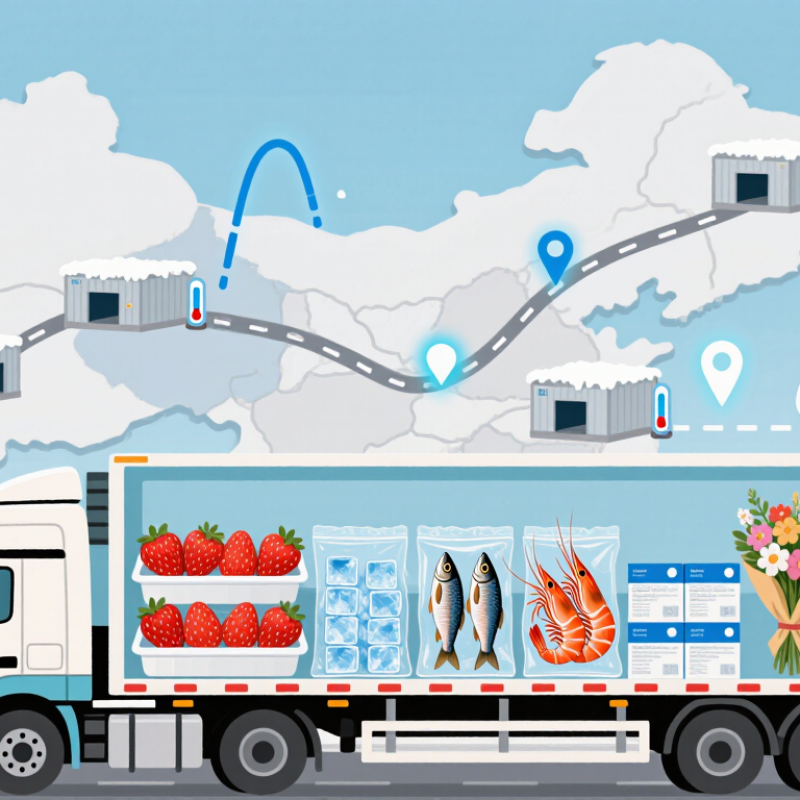
China Top 10 Perishable Goods Logistics Companies?

How China’s Perishable Goods Logistics Industry Works

China Top 10 Perishable Goods Logistics Companies?

How China’s Perishable Goods Logistics Industry Works

China’s perishable-goods logistics industry depends on temperature control, speed, and careful handovers. Fresh produce often enters pre-cooling facilities soon after harvest. Chilled food usually stays between 2°C and 8°C. Frozen products commonly require temperatures of -18°C or below. The principle is simple. The execution is not.

Leading logistics providers compete through connected networks, not trucks alone. Their operations link farms, wholesale markets, processing facilities, cold warehouses, and retailers. Refrigerated vehicles carry insulated cargo areas and temperature-monitoring devices. Distribution centers sort shipments in controlled rooms, sometimes within hours of arrival. Route planning considers traffic, weather, loading time, and delivery windows. One delay can shorten a product’s selling life.

Reliable operators record temperatures during loading, transportation, and unloading. They also inspect packaging, humidity, sanitation, and door-seal conditions. These details support traceability and help identify repeated failures. However, performance remains uneven between major cities and rural regions. Some areas still face limited pre-cooling capacity, unstable cold storage, and manual recordkeeping. A single door left open too long may warm an entire pallet. For this reason, any top-ten evaluation should examine delivery accuracy, temperature stability, warehouse coverage, loss rates, and emergency response, rather than relying only on market visibility.

China’s Perishable Goods Logistics Industry: Typical Temperature-Controlled Cargo

Temperature bands commonly used across China’s cold-chain transport and storage operations

Perishable-goods logistics relies on continuous temperature control from origin to destination. Frozen products are generally maintained at or below −18°C, while chilled foods, dairy, produce, and tropical fruit require different temperature windows to protect quality and extend shelf life. Actual operating set points vary by product specification, packaging, season, and applicable food-safety requirements.

Criteria for Ranking China’s Top Perishable Goods Logistics Companies

Criteria for Ranking China’s Top Perishable Goods Logistics Companies

A credible ranking must measure more than warehouse size. The China Federation of Logistics Purchasing estimated China’s cold-chain logistics market at approximately RMB 517.4 billion in 2023. This scale makes evidence essential. We would examine audited revenue, refrigerated capacity, shipment volume, and regional coverage. Growth alone is not enough.

Temperature control comes first. Rankings should review temperature-excursion rates, sensor coverage, calibration records, and response times.

A shipment of seafood or fresh produce may cross several climate zones. Every transfer needs a readable digital record. The Global Cold Chain Alliance’s 2023 Global Cold Storage Capacity Report also supports comparing usable storage capacity, not advertised capacity.

Backup power matters. So does loading speed.

Service quality deserves equal weight. Useful indicators include on-time delivery, order accuracy, product damage, spoilage claims, and customer retention.

Energy consumption per pallet can reveal operational discipline. Sanitation audits and worker training should be verified independently. The World Bank’s 2023 Logistics Performance Index offers wider national context, but it cannot rank individual operators. That limitation must be admitted.

Some companies report impressive averages while hiding difficult rural routes. Therefore, our model should separate urban and cross-regional performance, use at least three years of data, and penalize missing evidence.

No ranking is perfectly objective. Freshness is complicated.

Profiles of China’s Ten Leading Perishable Goods Logistics Companies

China’s leading perishable goods logistics companies serve farms, processors, retailers, and restaurants. Their strength usually comes from temperature control, regional warehouses, and reliable delivery records. The profiles below represent ten major operating models, not a formal ranking.

Company A focuses on nationwide refrigerated trucking and cross-province distribution. Company B manages seafood routes near coastal production areas. Company C supports fresh produce with sorting, grading, and rapid loading. Company D operates temperature-controlled warehouses beside urban markets. Company E connects farms with supermarkets through scheduled deliveries. Company F specializes in frozen food storage and monitored transport. Company G serves smaller cities with flexible, shared cold-chain capacity. Company H provides food safety traceability and digital temperature records. Company I handles dairy products using strict delivery windows. Company J combines air, road, and rail services for long-distance shipments. These profiles show different strengths. They are not equally mature.

Tips

Check sensor data before accepting a shipment. Inspect door seals, pallet spacing, and loading times. Ask for documented contingency plans. A delayed vehicle can damage quality quickly, even when the temperature report looks normal. In practice, some operators still rely too heavily on manual checks. That weakness deserves attention. Choose partners with trained staff, clean facilities, and measurable service standards. Local experience also matters, because weather, traffic, and market schedules can change daily.

China Top 10 Perishable Goods Logistics Companies? - Profiles of China’s Ten Leading Perishable Goods Logistics Companies

Anonymized comparison of major Chinese perishable-goods logistics operator profiles

Rank Anonymous Operator Profile Primary Perishable Categories Temperature-Controlled Services Main Transport Modes Geographic Coverage Core Logistics Capabilities Typical Customer Groups
1 National integrated cold-chain operator Frozen food, chilled food, meat, seafood, dairy, fruit and vegetables Frozen storage below −18°C; chilled storage generally 0–8°C; controlled ambient handling where required Refrigerated road transport, warehouse distribution, selected rail and ocean links Major coastal markets, inland provincial capitals and nationwide distribution corridors Multi-temperature warehousing, trunk transport, cross-docking, inventory control and last-mile delivery Food manufacturers, retailers, restaurant chains, importers and institutional buyers
2 Fresh-food distribution specialist Fresh produce, meat, seafood, eggs and short-shelf-life foods Pre-cooling, chilled consolidation, refrigerated storage and temperature-monitored delivery Refrigerated trucks, urban delivery vehicles and regional line-haul services Large urban clusters and agricultural production-to-consumption corridors Rapid sorting, order consolidation, freshness management and delivery-window control Wholesale markets, supermarkets, fresh-food platforms, hotels and restaurants
3 Large-scale warehousing and distribution provider Frozen meat, seafood, dairy products, prepared foods and imported perishables Deep-frozen, frozen, chilled and multi-temperature warehouse operations Road freight, intermodal transfers and port-connected cold storage Major ports, logistics parks and high-volume domestic consumption regions High-throughput storage, pallet handling, bonded operations, order fulfillment and returns processing Importers, food processors, wholesalers and modern retail chains
4 Urban cold-chain delivery network Chilled meals, dairy, bakery products, beverages, meat and fresh produce Chilled and frozen last-mile delivery with insulated handling procedures Refrigerated vans, small trucks and scheduled urban delivery routes Tier-one and selected tier-two cities with dense delivery coverage Route optimization, delivery-slot management, proof of delivery and temperature checks Restaurants, convenience stores, supermarkets, catering businesses and e-commerce sellers
5 Agricultural origin-to-market logistics provider Fruit, vegetables, aquatic products, meat and other farm-origin perishables Pre-cooling, grading-area chilling, refrigerated storage and farm-gate transport Refrigerated road freight, collection vehicles and regional distribution Production bases connected with provincial and national wholesale markets Aggregation, packaging coordination, quality inspection and loss-reduction programs Producer cooperatives, agricultural enterprises, wholesalers and retailers
6 International import and export cold-chain provider Imported meat, seafood, fruit, dairy and frozen food products Frozen, chilled and controlled-temperature storage linked to customs procedures Ocean freight coordination, port drayage, refrigerated road transport and air freight support Chinese seaports, airports, bonded zones and inland distribution centers Customs coordination, bonded warehousing, container handling and traceability documentation International food traders, processors, distributors and retail importers
7 Foodservice cold-chain logistics provider Meat, seafood, frozen ingredients, dairy, prepared foods and beverages Frozen and chilled distribution with frequent multi-drop delivery Refrigerated trucks, depot delivery and scheduled restaurant routes Regional restaurant and catering networks in densely populated cities Frequent replenishment, mixed-load handling, delivery scheduling and stock rotation Restaurant groups, central kitchens, hotels, caterers and institutional kitchens
8 Technology-enabled cold-chain fulfillment provider Fresh food, frozen products, meal kits, dairy and direct-to-consumer perishables Chilled and frozen fulfillment supported by digital temperature monitoring Refrigerated trunk transport, parcel delivery and urban distribution Major e-commerce markets and selected nationwide delivery lanes Warehouse management systems, shipment tracking, demand forecasting and automated order processing Online grocery platforms, food brands, subscription services and direct-to-consumer sellers
9 Regional specialist for aquatic and seafood logistics Live aquatic products, chilled seafood, frozen seafood and processed marine foods Ice-assisted transport, chilled handling, live-product support and frozen storage Refrigerated road transport, insulated containers and port-to-market distribution Coastal production regions, seafood hubs and inland consumption markets Rapid transshipment, product-specific packaging, hygiene control and delivery coordination Seafood processors, wholesale markets, restaurants, retailers and exporters
10 Regional multi-temperature logistics operator Frozen food, chilled food, dairy, beverages, meat and fresh produce Multi-temperature warehousing, refrigerated transport and short-term cold storage Regional trucking, depot transfers and local delivery fleets One or more provincial markets with links to neighboring regions Less-than-truckload consolidation, pallet distribution, storage and delivery scheduling Local manufacturers, wholesalers, supermarkets, restaurants and food distributors
Data note: Company names, brand identifiers and proprietary performance figures are intentionally omitted. Temperature ranges reflect commonly used cold-chain operating categories in China, including frozen storage below −18°C and chilled handling generally within 0–8°C. Actual service scope may vary by facility, product category and contract.

Services, Networks, and Technologies Used by the Top Ten

China’s leading ten perishable-goods logistics companies compete through temperature control, delivery speed, and network coverage. Their services usually include refrigerated trucking, cold storage, cross-docking, urban delivery, and shipment tracking. Some also manage seafood, fresh produce, dairy products, meat, and prepared foods under separate temperature standards.

Their networks connect production areas, processing plants, wholesale markets, airports, ports, and retail stores. Large operators often use regional cold-chain hubs near major agricultural provinces and coastal cities. Smaller local depots support the final delivery stage. A typical shipment may move from a farm at 2°C to a sorting center, then into a city vehicle with constant temperature records.

Technology makes these networks more reliable. GPS devices record vehicle location, while wireless sensors monitor temperature and humidity during transit. Warehouse systems can assign storage space automatically and flag delayed loading. Route-planning software helps reduce empty miles, although traffic and sudden weather still create practical problems. Barcode scanning also improves traceability from collection to delivery.

However, “top ten” rankings are not permanent. They may change with service quality, regional coverage, fleet investment, and customer complaints. In my experience, impressive equipment does not guarantee careful handling. A missed handover can damage goods within hours. Companies should publish measurable delivery rates, temperature-exception reports, insurance terms, and response procedures instead of relying on broad claims.

Key Differences and Selection Factors Among the Leading Companies

China’s leading perishable goods logistics companies differ less by fleet size than by control over temperature, timing, and local delivery. Strong providers use validated refrigerated vehicles, calibrated sensors, and cold storage with backup power. Some maintain 2–8°C for fresh foods, while frozen cargo may require -18°C or below. These figures need continuous proof, not simple marketing claims.

Selection should begin with lane experience. A carrier serving coastal warehouses may perform well near major ports but struggle in western provinces. Ask for delivery records, temperature-excursion reports, insurance terms, and documented handling procedures. A reliable company can show sensor data from loading to receipt. It should also explain what happens when a truck breaks down at midnight. Response time matters.

Cost differences often hide in packaging, fuel adjustments, storage periods, and failed-delivery charges. One provider may offer lower rates but use shared facilities with more transfer points. Another may charge more for dedicated vehicles and direct routes. That extra control can protect quality, though not always. I have seen impressive dashboards fail when staff entered incomplete data. Site audits, trial shipments, and clear responsibility rules remain essential. No provider is perfect. The best choice fits the product’s shelf life, route risks, volume pattern, and tolerance for delay.

FAQS

How does China’s perishable-goods logistics industry protect product quality?

It controls temperature, timing, packaging, and handovers. Fresh produce often receives pre-cooling soon after harvest. The process sounds simple. Execution varies.

What temperatures are commonly used for chilled and frozen goods?

Chilled food usually stays between 2°C and 8°C. Frozen products commonly require -18°C or below. Sensors should record temperatures continuously.

Which facilities are connected in the cold chain?

The network may link farms, processing sites, cold warehouses, wholesale markets, and retailers. Refrigerated trucks connect these locations. Each transfer creates another risk.

What should logistics providers monitor during transportation?

They should monitor temperature, humidity, packaging, door seals, and loading time. Staff should inspect conditions during loading and unloading. Manual records can be incomplete.

Why are pre-cooling and fast loading important?

Pre-cooling removes field heat before transportation. Fast loading reduces exposure to warmer air. A warm pallet may lose selling life quickly.

How do urban and rural cold-chain services differ?

Major cities often have stronger warehouses and better delivery coverage. Rural areas may face limited pre-cooling and unstable storage. Conditions are uneven.

What should buyers check before accepting a shipment?

Check sensor data, pallet spacing, packaging, door seals, and delivery timing. Look for damaged cartons or unusual moisture. A clean report is not absolute proof.

How should a buyer choose a suitable logistics provider?

Match the provider to shelf life, route risks, shipment volume, and delay tolerance. Request delivery records and temperature-excursion reports. Trial shipments reveal practical weaknesses.

Why can a cheaper logistics service create hidden costs?

Lower rates may involve shared warehouses, extra transfers, or failed-delivery charges. More handling can increase quality risks. Paying more helps sometimes, but not always.

Conclusion

China’s Perishable Goods Logistics industry plays a vital role in moving fresh food, chilled products, frozen goods, and other temperature-sensitive items from producers to retailers and consumers. This article explains how the industry operates, including cold-chain transportation, refrigerated storage, inventory coordination, quality monitoring, and last-mile delivery. It also introduces the main criteria for evaluating leading logistics companies, such as service reliability, geographic coverage, temperature-control capabilities, delivery efficiency, safety procedures, and customer support.

The profiles of China’s ten leading companies highlight differences in network scale, specialized services, technology adoption, warehouse resources, and transportation solutions. The article also examines how digital tracking, automated facilities, data management, and real-time temperature monitoring improve operational performance. By comparing service coverage, pricing considerations, responsiveness, industry expertise, and customization options, readers can better understand the key factors involved in selecting a suitable Perishable Goods Logistics provider for different supply-chain requirements.

Evelyn

Evelyn

Evelyn is a dedicated marketing professional with a strong understanding of the company’s products, services, and customer needs. With a background in strategic communication, market research, and content development, Evelyn transforms complex product information into clear, practical, and engaging......