Apparel and Footwear Shipping connects factories, distribution centers, and customers across long, changeable routes. The World Footwear Yearbook 2024 estimates that 22.4 billion pairs of shoes were produced worldwide in 2023. Each carton must protect its contents while using space efficiently. A crushed shoe box or a mislabeled size can create costly delays. Small errors travel.
The World Trade Organization reported that global merchandise trade volume fell 1.2% in 2023, illustrating how shipping plans operate amid shifting trade conditions. MIT supply-chain expert Yossi Sheffi’s advice is relevant: “The goal is not to eliminate risk, but to manage it.” For apparel and footwear, that means comparing air, ocean, and ground options; checking transit times; and planning for seasonal demand. A winter coat shipment and a lightweight sneaker order may need different handling and timing.
This guide will examine packaging, freight choices, shipment documents, and tracking from dispatch to delivery. It will also explain why clear product descriptions, carton counts, and destination details matter. A neat spreadsheet cannot prevent every delay. Nor can one shipping method suit every brand. That is the practical tension: lower freight costs may mean longer waits, while faster service can strain budgets. The right plan depends on the product, route, delivery window, and available information. Some trade-offs remain imperfect. Better planning makes them visible before cartons leave the warehouse.
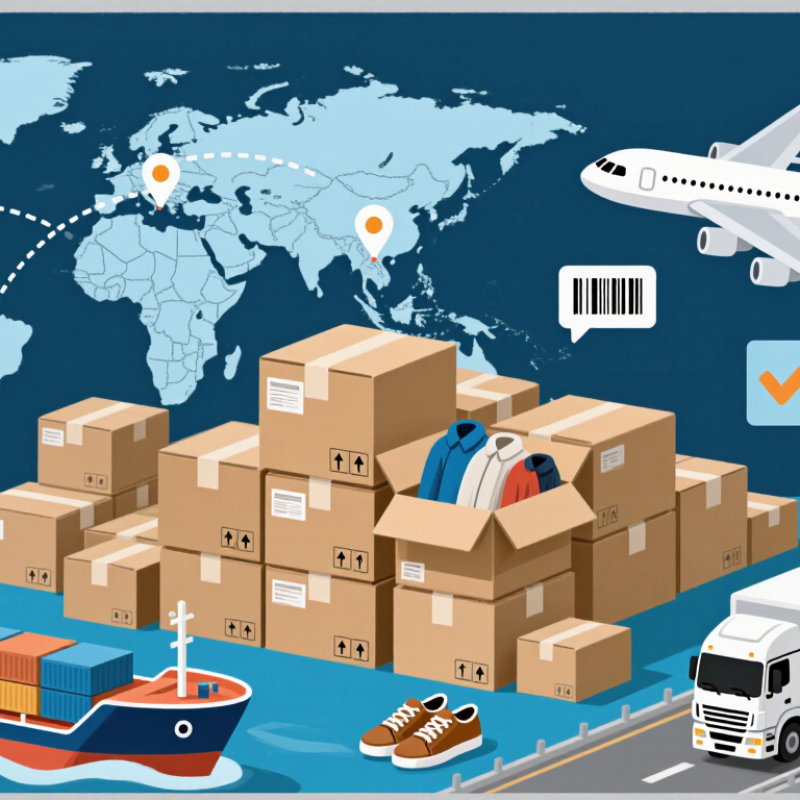
Before booking, identify exactly what each item is made of and how it is constructed. A cotton knit shirt and a woven shirt may fall under different customs classifications. For footwear, record upper and sole materials separately. Small details matter. The World Customs Organization says its Harmonized System is used by more than 200 countries and economies, covering over 98% of merchandise trade. Correct classification helps determine duties and supports accurate customs declarations.
Requirements also vary by destination. Check the destination’s rules for fiber-content labels, care instructions, language, country-of-origin marking, and packaging. Duties can depend on the product code, declared value, origin, and any applicable trade agreement. Confirm requirements with the destination customs authority or a qualified broker; rules and interpretations can change. A tidy product spreadsheet helps, but it cannot resolve every classification ambiguity.
How to Ship Apparel and Footwear Internationally?
Prepare Apparel and Footwear for International Transit
International transit can expose clothing to compression, humidity, dust, and repeated handling. Fold garments along existing seams, then place them in a clean, sealed inner bag. Keep hangtags flat and separate delicate trims with tissue. For shoes, use a fitted box or toe supports to prevent crushing; wrap buckles and other hard details so they do not mark nearby items. A neat carton can still fail if it shifts inside a larger box.
Choose an outer carton that fits the packed goods with modest cushioning. Fill empty space, seal every opening, and keep shipping documents in a clear pouch. The World Bank’s 2023 Logistics Performance Index assessed 139 economies across six dimensions, including tracking and timeliness. Those measures highlight why legible labels and shipment visibility matter when transit involves several handoffs. Test the packed parcel with gentle shaking: if contents move, add support. It is a simple check, not a substitute for formal testing.
Tips: Keep footwear pairs together and protect pale fabrics from dark soles. Photograph packed cartons before sealing. Check carton weight and dimensions against the carrier’s limits, and use moisture-resistant inner packaging for long or humid routes. I’d still review the pack after the first shipment; small scuffs often reveal what a checklist missed.
Example cartons compare actual weight with volumetric weight, calculated as length × width × height ÷ 5,000 (dimensions in cm). Carriers generally base chargeable weight on the greater value; volumetric divisors and rounding rules vary, so confirm the requirements with your carrier. Use protective packaging that keeps garments dry and footwear boxes secure without adding unnecessary bulk.
Choosing a carrier starts with the destination, parcel size, and delivery window. Compare transit estimates, tracking quality, and how each service handles delayed or misrouted parcels. A faster option may cost more, but it can suit time-sensitive orders. For less urgent shipments, compare economy services and check whether tracking remains available throughout the route. Ask about dimensional weight before quoting customers; a light shoebox can still take up considerable space. Small detail. It matters.
Select packaging that protects both the product and its presentation. Place shoes in their retail box, then secure that box inside a sturdy outer carton. Fill empty space with cushioning so the shoes cannot slide or crush one another. Fold garments neatly, seal them in a clean moisture-resistant bag, and use a strong mailer or carton suited to the parcel’s weight. A thin bag may be enough for a single soft item, but it offers little protection from sharp edges or rough handling.
Before dispatch, check that the shipping label is flat, readable, and attached to the outer package. Provide an accurate description and value on the required shipping documents, and confirm the destination’s current import requirements with the carrier. Do not assume the same packaging works for every route. It may not. I often find that overpacking adds cost, while underpacking risks damage; the right balance takes a quick shake test and a little judgment.
An apparel parcel needs more than a neat label. Customs classification can depend on fiber content, whether a garment is knitted or woven, and how footwear uppers and soles are made. The World Customs Organization’s HS 2022 nomenclature contains 5,609 six-digit subheadings and is used by more than 200 countries and economies, covering over 98% of world trade. Small mismatches matter. Record each item’s material, quantity, and value clearly.
Prepare a commercial invoice, packing list, transport document, and any required origin paperwork. Descriptions such as “clothes” are too vague; specify, for example, “women’s knitted cotton shirts.” Check that the invoice, parcel contents, and declared origin agree. No shortcut works. The HS code’s first six digits are internationally harmonized, but importing countries may add local digits and rules. Consult the World Trade Organization’s World Tariff Profiles 2024 and the destination customs authority for the applicable rate.
Estimate duties using the destination’s tariff classification and customs-value rules. A basic estimate applies the duty rate to the customs value, but some goods face specific charges, and taxes may be calculated separately. Freight and insurance treatment can vary. For a box of shoes, keep the material breakdown and purchase value beside the calculation; they make questions easier to resolve. Estimates still need review, especially when product descriptions or origin details are uncertain.
An international apparel parcel may cross several hubs before reaching the customer. Scan gaps are normal, but clear updates help shoppers distinguish a delay from a lost shipment. Share the tracking link as soon as the carrier accepts the parcel, and explain what “in transit” means. For footwear, confirm that the parcel’s weight and dimensions match the shipping label; mismatches can trigger checks or extra handling. A scan can look precise and still be a day behind.
When tracking stalls, check the carrier’s latest event and the estimated delivery window before opening a case. Save the order number, tracking history, dispatch date, and any photos of damaged packaging. Contact the carrier or delivery partner with those details, then tell the customer what is being checked and when you will update them. Avoid promising a fixed arrival date while an investigation is open. Baymard Institute’s 2024 checkout research found that 48% of U.S. shoppers had abandoned a cart because extra costs were too high. That finding is not about tracking, but it underlines why shipping fees and delivery expectations should be visible before checkout.
Tips: Send an alert when a parcel has no new scan beyond its expected transit interval. Keep the message short, specific, and honest. If the estimate changes, say so.
Record fiber percentages, construction type, and clear product photos. For shoes, list upper and sole materials separately. Small details matter.
Similar-looking shirts may receive different classifications. Accurate product codes help determine duties and support customs declarations. Unclear cases may need expert review.
Check fiber labels, care instructions, required language, country-of-origin marking, and packaging. Rules can change, so verify current guidance before dispatch.
Duties may depend on product code, declared value, origin, and applicable trade agreements. A spreadsheet helps, but cannot resolve every ambiguity.
Compare destination, parcel size, delivery window, tracking, and delayed-parcel handling. Faster service may cost more. For urgent orders, it might be worthwhile.
Yes. Dimensional weight can affect the price, even when a shoebox is light. Ask for a quote before setting delivery expectations.
Keep shoes in their retail box, then place it inside a sturdy carton with cushioning. Seal garments in a clean, moisture-resistant bag. Use a suitable outer package.
Make sure the label is flat and readable. Check the shipping description and value, then confirm import requirements. A shake test helps, but it is not perfect.
Apparel and Footwear Shipping internationally starts with checking the requirements for both the products and their destination. Confirm that the items are described accurately, review destination-specific import rules, and consider any labeling or documentation requirements. Before dispatch, fold or arrange garments and footwear securely, protect them from moisture and scuffs, and use packaging suited to the shipment’s size, weight, and journey.
Next, compare carriers and shipping methods based on delivery time, cost, tracking, and service coverage. Choose packaging that helps keep the contents protected without adding unnecessary bulk. Complete customs forms with clear, accurate product descriptions and values, and estimate duties and taxes so the recipient understands potential charges. After the parcel is sent, monitor tracking updates and share relevant delivery information with the recipient. If a delay, damage, or delivery exception occurs, contact the carrier promptly, provide the shipment details, and follow the steps needed to resolve the issue.