Choosing among China’s top Delivered Duty Paid Shipping companies requires more than comparing advertised freight rates. A reliable provider should coordinate export handling, international transport, customs clearance, duties, and final delivery. This service can simplify purchasing for importers unfamiliar with destination procedures. Yet convenience does not remove responsibility. Shippers still need accurate invoices, product descriptions, dimensions, and consignee details.
This guide examines providers through practical experience and verifiable operating signals. We consider route coverage, warehouse capabilities, carrier partnerships, tracking quality, response times, and transparent quotations. We also review whether companies explain exclusions, delivery limits, tax treatment, and possible inspection delays. A low quote may exclude remote-area surcharges or special handling. That detail matters when cartons wait at a busy port. Supplier references, service records, and clearly documented terms strengthen confidence. Claims alone are not enough.
The comparison focuses on compliant shipments of lawful commercial goods and responsible trade practices. It avoids providers that encourage inaccurate declarations, hidden charges, or unsupported promises. Readers should confirm current destination rules with qualified customs professionals before booking. No ranking is flawless. Service quality can change with season, capacity, and local regulations. For this reason, the best choice depends on product type, destination, delivery urgency, and risk tolerance. The following overview aims to make that decision clearer, while acknowledging that real shipments may still require careful follow-up.
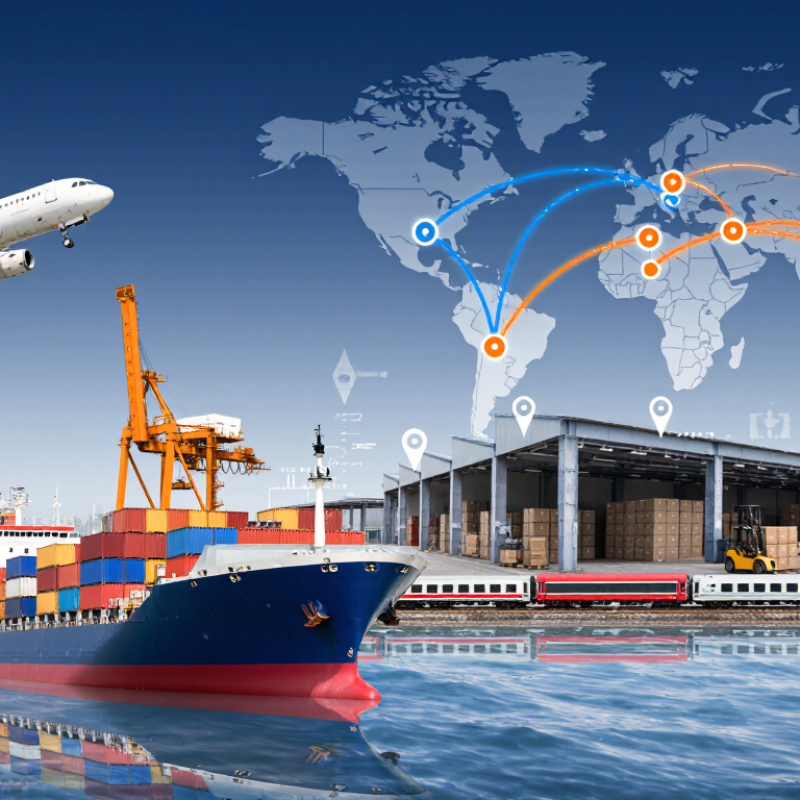
Delivered Duty Paid shipping from China means the seller manages the shipment until it reaches the agreed destination. This usually includes export clearance, international transport, import customs clearance, duties, and applicable taxes. The buyer normally receives the goods without paying unexpected import charges at delivery. However, DDP does not automatically include unloading, storage, or special destination services.
A reliable DDP arrangement begins with accurate product information. The seller needs the commercial invoice, packing list, product description, quantity, weight, and correct customs classification. For example, a carton weighing 24 kilograms may require different handling from a pallet weighing 300 kilograms. The quotation should clearly state the delivery address and whether local taxes are included. Small wording differences can create large costs.
When comparing China shipping companies, check their customs experience, tracking process, insurance terms, and response time. Ask who acts as the importer of record. This matters because some countries restrict foreign sellers from handling import procedures directly. A cheaper DDP quote may exclude destination fees or use an unsuitable tax arrangement. I have seen shipping plans look complete while leaving the buyer responsible for storage charges. That mistake is easy to miss. It is also worth checking whether the carrier provides signed delivery records and transparent customs documents. DDP can simplify purchasing, but only when every responsibility is written clearly.
China’s DDP shipping process moves goods from a Chinese supplier to the buyer’s delivery address. Under Delivered Duty Paid terms, the seller or appointed logistics provider handles export clearance, international transport, import customs, duties, and final-mile delivery.
The process starts with accurate product details. The shipper needs the commercial invoice, packing list, correct HS code, carton dimensions, and consignee information. A small mistake can delay customs clearance. After pickup, the cargo may travel by air, sea, rail, or a combined route. Tracking usually shows warehouse receipt, departure, customs processing, and delivery progress. Import taxes are normally included in the quoted DDP price, but the written quotation should state every charge clearly.
Experienced shipping teams check destination rules before accepting cargo. They also confirm whether delivery includes unloading, residential access, remote-area fees, or only the nearest freight terminal. This detail matters. A low quote may exclude storage, inspection, or address correction costs. Buyers should request a transport timeline, customs responsibility statement, insurance terms, and proof of delivery. DDP can simplify international purchasing, but it is not automatic protection from inaccurate declarations or changing regulations. In practice, careful documentation often matters more than a promised fast transit time. Mistakes still happen. Revising the process after each shipment can improve reliability.
China DDP shipping companies manage more than transportation. They coordinate pickup from a supplier, export documentation, freight booking, customs clearance, and final delivery. Under Delivered Duty Paid terms, the shipping provider usually arranges import duties and taxes for the agreed destination. This gives buyers clearer landed costs before dispatch.
A reliable provider checks product descriptions, commercial invoices, packing lists, and destination requirements.
The team may offer sea, air, rail, or express shipping based on cargo size, urgency, and budget.
Warehouse services can include consolidation, labeling, palletizing, quality checks, and short-term storage.
Tracking updates should cover major handovers, not only the final delivery scan.
Customs support matters greatly. Experienced staff review commodity classifications and confirm whether documents match the shipment.
They should explain exclusions, delivery limits, tax assumptions, and possible inspection delays in writing.
Some providers also offer cargo insurance, but coverage must be read carefully. It may not include poor packaging or inaccurate declarations.
No service is flawless.
A low quote can hide remote-area fees or unclear tax handling. Buyers should request a complete quotation and ask who controls each customs step.
Small mistakes in product data can create large delays.
Good communication prevents many of them, though not every problem.
China Top Delivered Duty Paid Shipping Companies?
Evaluating China’s top DDP shipping providers requires more than comparing quoted freight rates. Under ICC Incoterms 2020, DDP places import clearance, duties, taxes, and final delivery responsibilities on the seller. Ask for a complete landed-cost sheet. It should show transport, customs handling, storage, insurance, and possible inspection charges. Hidden exclusions are a warning sign.
Operational evidence matters. The World Bank’s 2023 Logistics Performance Index evaluates customs, infrastructure, shipment pricing, logistics competence, tracking, and delivery timeliness. Request shipment-level records for these areas, not general promises. Check whether tracking shows customs release, warehouse scans, and final-mile delivery. A parcel that stops at a border is not delivered.
Capacity should match the product and destination. UNCTAD’s Review of Maritime Transport 2023 reports that maritime shipping carries over 80% of global merchandise trade by volume. However, low ocean rates can hide slow transshipment or port congestion. Compare at least three recent quotes using identical carton sizes, weights, declared values, and delivery addresses. Test one small shipment first. It may reveal weak packaging, inaccurate tax estimates, or poor communication. I would also verify the provider’s written process for lawful product classification and document retention. A polished sales presentation is useful, but it is not operational proof. Some evaluations fail because buyers measure speed only, then discover that predictable customs handling matters more.
| Evaluation Dimension | What a Reliable DDP Provider Should Offer | Practical Benchmark | How to Verify |
|---|---|---|---|
| DDP scope | A complete door-to-door service covering export handling, international transport, import customs clearance, duties, import taxes, and final delivery. | The quotation clearly identifies every included and excluded charge. | Request a written quotation and service scope before booking. |
| Incoterms compliance | The provider understands that Delivered Duty Paid places the maximum delivery responsibility on the seller, subject to local import rules. | The commercial invoice and shipping documents consistently state the agreed Incoterms rule and named place. | Check the sales contract, invoice, packing list, and transport documents for consistent terms. |
| Customs capability | Access to qualified customs brokers or compliant import representatives in the destination country. | The provider can explain importer-of-record arrangements, customs declarations, product classification, and required permits. | Ask for the customs process, importer details, and a list of restricted or regulated products. |
| Landed-cost transparency | A landed-cost quotation that separates freight, customs-related charges, duties, taxes, handling fees, fuel surcharges, and last-mile delivery. | No unexplained destination charges or mandatory fees added after dispatch. | Compare the initial quote with the final invoice on a test shipment. |
| Transit-time planning | Multiple transport options, such as express, air freight, rail where available, and ocean freight, matched to shipment urgency and budget. | The provider supplies a transit-time range, cutoff schedule, routing plan, and known delay risks. | Request separate estimated timelines for pickup, export clearance, line-haul, import clearance, and final delivery. |
| Destination coverage | Operational coverage for the exact destination country, postal code, delivery address type, and product category. | The quote confirms whether residential, remote-area, island, and business-address surcharges apply. | Provide the complete delivery address and request a written serviceability confirmation. |
| Product compliance | Pre-shipment screening for batteries, liquids, cosmetics, food, medical products, branded goods, and other controlled items. | The provider identifies documentation, labeling, packaging, and transport restrictions before accepting the cargo. | Submit the product description, material composition, HS code if available, safety data, and photos. |
| Shipment visibility | End-to-end tracking with milestone updates from pickup in China through customs clearance and final delivery. | Tracking includes at least pickup, export clearance, departure, arrival, import clearance, out-for-delivery, and delivery events. | Test the tracking number and confirm how exceptions are reported. |
| Packaging and consolidation | Cargo inspection, protective packaging, carton consolidation, palletization, and accurate weight and dimension recording. | The provider explains volumetric-weight rules and obtains approval before repacking or changing dimensions. | Request warehouse photos, packing specifications, and the billable-weight formula. |
| Insurance and liability | Clearly defined cargo-insurance options, liability limits, exclusions, and claim procedures. | Coverage is documented separately from the transport price and states the evidence required for a claim. | Review the insurance certificate, terms of carriage, exclusions, and claim time limits. |
| Service reliability | Stable carrier allocation, documented operating procedures, and a defined escalation process for delays or customs holds. | Performance is measured using on-time pickup, customs-release time, delivery success, and exception-resolution data. | Ask for recent service statistics or begin with a controlled trial shipment. |
| Customer support | A named account contact, clear communication channels, and support during China working hours and destination-country business hours where needed. | Urgent customs or delivery exceptions receive a documented response within one business day. | Send pre-sale questions and evaluate response accuracy, speed, and consistency. |
| Scalability | Capacity to handle sample orders, recurring e-commerce parcels, pallets, and commercial shipments without changing the service standard. | Pricing tiers and operating procedures are available for different shipment volumes and frequencies. | Request a sample quote, monthly-volume quote, and peak-season capacity plan. |
| Contract and payment terms | A formal agreement covering payment timing, currency, rate validity, customs responsibility, data handling, cancellations, and dispute resolution. | The provider does not rely only on informal messages or verbal promises for material commercial terms. | Review the service agreement and verify the legal entity, invoicing details, and payment beneficiary. |
Delivered Duty Paid shipping from China can look simple, but the invoice often hides several cost layers. Typical charges include export handling, ocean or air freight, destination clearance, import duties, taxes, and final-mile delivery. A 2024 UNCTAD maritime transport report notes that over 80% of global merchandise trade by volume moves by sea. That explains the lower cost, but also the longer exposure to port congestion and schedule changes.
For many ocean shipments, transit takes about 20 to 45 days to major markets. Air freight may take roughly 5 to 12 days, excluding customs delays. These are practical ranges, not promises. The World Bank’s 2023 Logistics Performance Index evaluates customs, infrastructure, shipment timeliness, and logistics quality. Its findings show that border performance differs widely between economies. A reliable DDP provider should therefore disclose the routing, clearance party, tax calculation method, and delivery exceptions before booking.
The biggest customs risk is inaccurate product information. HS classification, declared value, origin, and product description can change the final amount. Ask for a written breakdown before payment. Keep commercial invoices and packing details consistent. I have seen low quotations become expensive after vague “tax included” terms met local adjustments. That weak wording deserves attention. Duties may also change after inspection or policy updates, so buyers should verify the estimate with current official customs sources.
The seller arranges export clearance, international transport, import clearance, duties, taxes, and final delivery. The buyer usually avoids unexpected import charges. Unloading may cost extra.
Provide the product description, quantity, weight, carton size, declared value, and delivery address. A 24-kilogram carton may need different handling from a 300-kilogram pallet. Small details matter.
No. DDP may exclude unloading, warehouse storage, remote-area delivery, and special destination services. Ask for these exclusions in writing before shipment. Do not assume.
Compare at least three quotations using identical weights, carton sizes, values, and addresses. Check customs experience, tracking quality, insurance terms, and response time. The cheapest quote may omit destination fees.
Useful tracking should show pickup, export handling, customs progress, warehouse scans, and final delivery. A final delivery scan alone is not enough. Border silence worries me.
The importer of record controls important customs responsibilities in the destination country. Some countries restrict foreign sellers from handling import procedures directly. Confirm this before payment.
The provider should review the commercial invoice, packing list, product description, quantity, weight, and customs classification. The documents must match the actual cargo. Errors create delays.
Yes, a small shipment can reveal weak packaging, inaccurate tax estimates, or poor communication. Check the delivery record and customs documents afterward. One test is not proof.
Ask whether insurance covers damage, loss, poor packaging, inaccurate declarations, and inspection-related problems. Coverage varies by agreement. Read every exclusion carefully.
Ocean transport may involve transshipment, port congestion, customs inspections, or destination storage. A low freight rate can hide slow handling. Cheap is not always predictable.
Delivered Duty Paid Shipping from China is an all-inclusive logistics solution in which the shipping provider manages transportation, export procedures, import customs clearance, duties, taxes, and final delivery to the buyer’s address. The process typically begins with cargo pickup and documentation, followed by international transportation, destination customs handling, and last-mile delivery. This approach gives importers clearer cost expectations and reduces the administrative burden of coordinating multiple service providers.
China DDP shipping companies may offer cargo consolidation, warehousing, packaging, tracking, insurance options, customs support, and delivery for different shipment sizes. When evaluating a provider, businesses should compare service coverage, communication quality, customs expertise, pricing transparency, estimated transit times, and claims procedures. Common costs depend on shipment weight or volume, destination, transport mode, product category, and applicable duties. Although DDP can simplify international trade, accurate invoices, product descriptions, and compliant documentation remain essential for smooth customs processing and timely delivery.