0%

When a shipment must cross oceans within a narrow delivery window, air transport can provide a practical advantage. International Air Freight Forwarding connects exporters, importers, airlines, customs specialists, and warehouses through one coordinated process. A reliable forwarder does more than reserve cargo space. They check dimensions, confirm documentation, select suitable routes, and monitor handovers from pickup to final delivery. This attention matters when products include medical equipment, electronics, seasonal goods, or urgent replacement parts. A missed connection can affect an entire production schedule.

Air freight is often chosen for speed, visibility, and reduced inventory risk. Modern tracking tools can show when cargo leaves a warehouse, reaches an airport, and arrives at its destination. Experienced forwarders also compare direct flights with consolidated services. The best option depends on urgency, cargo size, destination, and budget. There is no universal answer. Air freight is not always the cheapest choice. Fuel surcharges, airport handling fees, and customs delays can increase the final cost. That reality deserves honest discussion.

Professional support can reduce avoidable mistakes. A forwarder may identify weak packaging, unclear commercial invoices, or inconsistent product descriptions before cargo moves. They can also explain applicable customs requirements and carrier restrictions without making unrealistic promises. Still, no provider controls weather, airport congestion, or every inspection. Good service includes clear updates when plans change. For businesses seeking dependable international delivery, International Air Freight Forwarding offers speed and structured coordination. Its value is strongest when timing matters, information must remain visible, and supply chains cannot afford careless decisions. Reliability is built through preparation, communication, and continuous review.
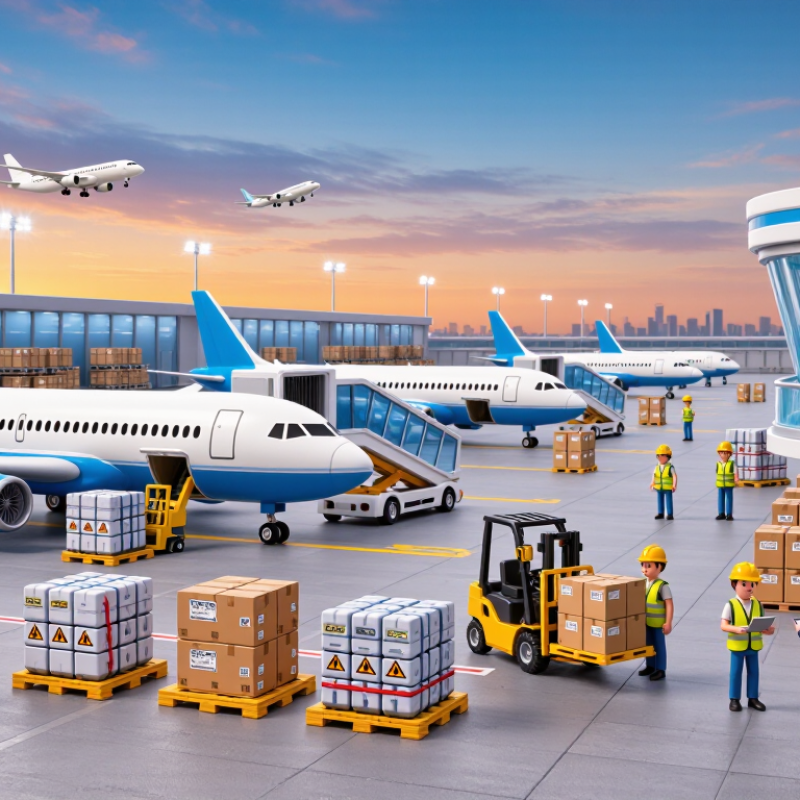
Why Choose International Air Freight Forwarding?

What Is International Air Freight Forwarding?

Why Choose International Air Freight Forwarding?

What Is International Air Freight Forwarding?

International air freight forwarding is the managed movement of cargo between countries by air. A freight forwarder is not usually the aircraft operator. Instead, it coordinates pickup, packaging, space booking, export documents, customs information, and final delivery. It may also combine smaller shipments into one consignment, reducing handling complexity and improving routing options.

Air freight is often chosen for urgent, valuable, or time-sensitive goods. Industry estimates indicate that air cargo carries more than 35% of global trade by value, despite representing less than 1% by volume. The International Air Transport Association reported that global air cargo demand increased 11.3% in 2024, measured in cargo tonne-kilometres. International demand grew 12.2%. These figures show strong demand, but they do not guarantee stable prices or space.

Forwarding requires practical judgment. A shipment may need temperature control, stronger packaging, or earlier document checks. Small errors can cause missed connections. Delays happen. A reliable forwarder reviews cargo dimensions, delivery deadlines, trade terms, and destination requirements before booking. Tracking updates also help teams react when schedules change. Air freight is not always the cheapest option. That assumption needs checking. However, when time has measurable value, professional coordination can protect inventory, production plans, and customer commitments.

How the International Air Freight Forwarding Process Works

International air freight forwarding connects suppliers, airports, customs teams, and final consignees through a controlled process. The International Air Transport Association reported that global air cargo demand grew 11.3% in 2024. Capacity increased 7.4% during the same period. This growth makes accurate coordination more important than ever.

The process starts with shipment details, including weight, dimensions, cargo value, origin, destination, and delivery terms. A forwarder compares flight schedules and reserves suitable space. The shipper then prepares the commercial invoice, packing list, and required transport documents. Cargo is collected, checked, and screened before export customs review. Consolidation may reduce cost, but it can add handling time. Small errors here become expensive later.

After airport acceptance, the cargo receives an air waybill and moves through terminal handling. The flight carries it to the destination airport, where import documentation and customs assessment begin. Duties, taxes, and clearance requirements must match the shipment details. Once released, a local carrier completes delivery and records proof of receipt. The World Bank’s 2023 Logistics Performance Index highlights timeliness as a key logistics measure, not merely a final delivery result. In practice, tracking data can still lag behind physical movement. That limitation deserves attention. Experienced teams confirm milestones directly and keep contingency plans for missed connections, document corrections, or airport congestion.

Why Choose International Air Freight Forwarding?

Air freight forwarding combines shipment planning, export handling, air transportation, customs clearance, and final delivery into one coordinated process. The typical planning ranges below show how each stage contributes to total transit time.

How the process works: A freight forwarder arranges the booking, verifies export documents, coordinates airport handling, monitors the flight, supports import clearance, and organizes delivery to the consignee. Actual timing depends on the origin, destination, cargo type, customs requirements, and service level.

Key Advantages of Choosing Air Freight Forwarding

Why Choose International Air Freight Forwarding?

Key Advantages of Choosing Air Freight Forwarding

Air freight forwarding moves international shipments quickly, often within a few days rather than several weeks. This speed helps businesses replenish stock, meet production deadlines, and respond to sudden customer demand. A professional forwarder coordinates airport bookings, export documents, customs procedures, and final delivery. That practical support reduces avoidable delays.

Visibility is another important advantage. Many forwarding teams provide milestone updates from warehouse collection to airport departure and arrival. Clear tracking helps logistics managers adjust inventory plans before problems become expensive. Air schedules are also frequent on major international routes. This flexibility can protect time-sensitive shipments, especially when a factory is waiting for a small but essential component.

Air freight is not always the cheapest answer. Its value depends on urgency, shipment weight, and the cost of delayed delivery. Careful forwarders check dimensions, packaging strength, flight cutoffs, and documentation before accepting cargo. A poorly prepared shipment can still miss its flight. That part deserves attention. Experienced teams also review route restrictions and customs requirements in advance, using current official information where possible. However, schedules can change because of weather, airport congestion, or limited capacity. Transparent communication matters more than promising perfect timing.

Factors That Influence Air Freight Forwarding Costs

Why Choose International Air Freight Forwarding?

Air freight forwarding offers speed, shipment visibility, and coordinated handling across international routes. However, speed is only one part of the price. In practice, cost depends on chargeable weight, which compares actual weight with dimensional weight. A large carton filled with lightweight goods may cost more than expected. Route distance matters too. Direct flights often reduce handling, while connecting routes may lower the basic rate but increase transfer risks.

Fuel surcharges, airport fees, security screening, customs documentation, and terminal handling can quickly change a quotation. Seasonal demand also matters. Rates often rise before major holidays or during capacity shortages. Urgent shipments may require premium space. I have seen planning errors happen when companies compare only the freight rate. That figure can look attractive, yet local collection and delivery charges remain outside it. Estimates are useful, but never perfect.

Tips: Measure every carton carefully. Confirm actual weight and dimensions before booking. Ask for a complete cost breakdown, including pickup, customs support, handling, and delivery. Compare transit time, not only price. Choose suitable packaging to reduce unused space. Leave room for unexpected fees. A second review can prevent expensive corrections. Also check the agreed delivery terms, because responsibility for transport costs may change between the shipping parties.

How to Select the Right International Air Freight Forwarder

Why Choose International Air Freight Forwarding?

How to Select the Right International Air Freight Forwarder

Selecting an international air freight forwarder requires more than comparing quoted prices. Check their experience with your cargo type, destination, and required delivery window. A capable partner should explain airport cut-off times, transit routes, handling procedures, and possible delays in clear language. Ask for proof. Request recent performance data, service references, and written procedures for shipment updates.

Reliable communication matters when cargo moves across several time zones. The forwarder should provide tracking milestones, responsive contacts, and realistic arrival estimates. Ask how they handle missed connections, damaged packaging, or sudden schedule changes. Their team should understand export documentation, import requirements, insurance options, and security screening. They must also follow all applicable international trade and transport regulations.

Do not choose based on speed alone. A cheaper quote may exclude terminal charges, storage, documentation, or special handling. Review the full cost line by line. Confirm packaging standards for fragile, valuable, or temperature-sensitive goods. A useful forwarder will inspect your shipping plan instead of simply accepting it. That review can reveal weak labels, unsuitable packaging, or an unrealistic deadline. Still, no forwarder can remove every risk. A common planning mistake is trusting estimated transit time too much. Build a practical buffer, especially during peak seasons and severe weather. Select a partner that reports problems early, documents decisions, and remains transparent when plans change.

FAQS

What information is needed before booking international air freight?

Provide weight, dimensions, cargo value, origin, destination, and delivery terms. Accurate details support better flight planning. Small errors can become expensive.

What documents are usually required?

Common documents include a commercial invoice, packing list, and transport records. Customs may request additional information. Check current requirements before shipping.

How does the shipment move through the process?

The forwarder reserves space and collects the cargo. The shipment is checked, screened, and reviewed by export customs. It then moves through airport handling, flight transport, import clearance, and final delivery.

Why choose air freight instead of slower transport?

Air freight can arrive within days. It may help restore inventory or meet a production deadline. Speed has a price.

Can consolidation reduce shipping costs?

Consolidation may lower costs for smaller shipments. However, it can add handling time and extra transfer points. The cheapest option may not be the fastest.

What should I check when choosing a freight forwarder?

Check experience with your cargo, destination, and delivery window. Request written procedures, service references, and recent performance data. Ask for proof, not promises.

Are tracking updates always accurate?

Not always. Tracking data can lag behind physical movement. Confirm important milestones directly and keep a backup plan for delays.

What extra charges should be reviewed?

Review terminal charges, storage, documentation, special handling, and delivery fees. Compare the full cost line by line. A low quote may hide important charges.

How can delays and damage be reduced?

Use strong packaging, clear labels, and complete documents. Confirm airport cutoffs and route restrictions early. Add time for weather, congestion, and missed connections. Perfect timing is unlikely.

Conclusion

International Air Freight Forwarding is a professional logistics service that coordinates the movement of goods between countries by air. It connects shippers, airlines, customs authorities, warehouses, and final delivery partners to ensure cargo is handled efficiently from origin to destination. The process generally includes shipment preparation, booking cargo space, export documentation, pickup, airport handling, customs clearance, air transportation, import procedures, and final delivery.

Choosing air freight forwarding offers faster transit times, dependable scheduling, broad international reach, and better visibility for time-sensitive shipments. However, costs can vary according to shipment weight and volume, destination, fuel prices, urgency, handling requirements, customs duties, and seasonal demand. To select the right forwarder, businesses should evaluate service coverage, experience, communication, documentation support, tracking capabilities, pricing transparency, cargo-handling procedures, and customer service. A reliable partner can help reduce delays, control risks, and create a smoother international shipping experience.

Benjamin

Benjamin

Benjamin is a highly experienced marketing professional dedicated to helping customers understand the value, applications, and practical benefits of the company’s products. With a strong background in market research, content strategy, and customer communication, he combines professional knowledge......