Explore our specialized freight programs designed specifically for apparel manufacturers, garment exporters, brand owners, and global textile buyers.
Why garment and fashion supply chains require specialized freight handling, dynamic customs engineering, and high-velocity distribution strategies.
Unlike standard containerized dry goods, apparel logistics operates under severe season-dependent timelines, ultra-high SKU density, moisture sensitivity, and tight margin tolerances. Navigating cross-border movements from major manufacturing powerhouses such as Guangzhou, Ningbo, Shanghai, and Qingdao to North American and European retail centers demands absolute synchronization across multiple modes.
From luxury fashion collections requiring Garment-on-Hanger (GOH) container configurations to fast-fashion e-commerce brands utilizing high-density compression packaging for air freight cost reduction, choosing the right logistics partner directly determines landed cost control, store-shelf availability, and bottom-line profitability.
Information Gain Insight: Over 34% of imported garment delays stem from imprecise HTS (Harmonized Tariff Schedule) classification across synthetic vs. natural fiber blends, resulting in customs holds at major entry points like Los Angeles, Long Beach, and Rotterdam.

| Freight Mode | Avg Transit Time (China to USA/EU) | Cost per KG / CBM Efficiency | Wrinkle & Damage Risk | Ideal Garment Category |
|---|---|---|---|---|
| Express Air Charter | 3 – 5 Days | High ($4.50 - $7.50 / kg) | Very Low (Hangtainer / GOH) | High-value collections, samples, launch replenishment |
| Express Ocean (Matson/Clippers) | 11 – 14 Days | Moderate ($180 - $260 / CBM) | Low (Sealed Dry Van + Desiccant) | Season launch inventory, mid-tier fashion, e-commerce stock |
| Standard Ocean (FCL/LCL) | 22 – 35 Days | Optimal ($80 - $140 / CBM) | Moderate (Requires re-steaming if flat-packed) | Basic apparel, denim, workwear, bulk outerwear |
| Eurasia Trans-Rail Express | 14 – 18 Days (To EU) | Balanced ($2.20 - $3.80 / kg) | Low-Moderate (Temperature Controlled) | EU-bound fast fashion, mid-season replenishment |
Analyzing structural shifts in global textile supply chains, regulatory compliance, and green logistics innovation.
Global apparel brands are adopting multi-country sourcing models. Raw fabric, synthetic yarns, zippers, and trims are produced in China's specialized textile clusters (such as Zhejiang and Jiangsu) and shipped seamlessly to Vietnam, Cambodia, or Bangladesh for final assembly. Logistics providers must offer unified cross-border documentation and consolidated transit corridors.
Real-time item-level tracking via embedded RFID tags inside polybags and hanging cartons is revolutionizing apparel shipping. Logistics hubs now scan entire container loads in seconds, giving buyers 99.9% inventory accuracy before the ship docks, eliminating manual warehouse de-consolidation bottlenecks.
With volatile international trade duties and Section 301 tariffs, forward-thinking apparel buyers utilize Tariff Engineering (adjusting fiber ratios slightly to fit lower duty bands) and the First Sale Valuation Rule to pay customs duties based on factory purchase cost rather than middleman markup.
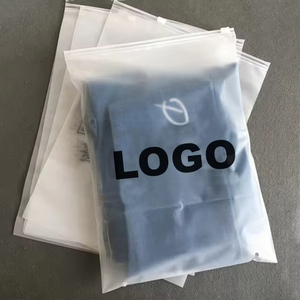
European Union ESG directives and US retail standards mandate biodegradable frosted polybags, 100% recycled shipping cartons, and carbon-offset ocean corridors. Eco-conscious packaging reduces volumetric weight fees while satisfying stringent corporate sustainability metrics.
E-commerce clothing brands require direct injection into Amazon FBA fulfillment centers, TikTok Shop warehouses, and private 3PL hubs. Custom labeling, polybagging, carton threshold compliance, and scheduled carrier appointments prevent warehouse rejection and eliminate expensive storage surcharges.
Combining local factory-floor presence across Asian manufacturing hubs with extensive US port drayage, customs brokerage, and fulfillment power.

At Asiana USA, we bridge the gap between Asian garment factories and international retail doors. Headquartered in Los Angeles with regional offices in New York, as well as dedicated origin teams across China, Vietnam, and Bangladesh, we provide seamless control over every leg of your supply chain.
Our long-standing membership in the WCA World Network empowers us with global agent partnerships, ensuring that whether you are shipping container loads of outerwear from Guangzhou or urgent fashion samples via air charter from Dhaka, your shipments remain under accountable management.
Expert insights addressing complex trade terms, customs compliance, and cost optimization for garment buyers.
Under FOB (Free On Board), your China garment supplier is only responsible for delivering goods onto the ship at the export port (e.g., Guangzhou or Shenzhen). You, as the buyer, must arrange ocean freight, marine insurance, US customs entry, import duties, and final truck delivery. Under DDP (Delivered Duty Paid), Asiana USA manages the entire end-to-end logistics journey—including customs duty clearance, tariffs, and final mile delivery—giving you a single predictable landed cost per garment.
GOH shipping utilizes specialized ocean containers and air freight units fitted with string or bar systems that allow suits, dresses, coats, and delicate garments to be transported directly on hangers. While GOH has a slightly higher freight cost per cubic meter than compressed flat-packing, it eliminates retail pre-store steaming, ironing, and re-packaging costs, enabling garments to go directly from container to retail rack upon arrival.
Harmonized Tariff Schedule (HTS) codes for apparel depend heavily on exact fiber content (e.g., 100% cotton vs. 60% cotton/40% polyester blend), construction method (knitted Chapter 61 vs. woven Chapter 62), and target demographic (men's, women's, children's). Synthetic fibers often carry higher duty rates (up to 28%+) compared to natural fibers. Our in-house customs specialists review your bill of materials (BOM) prior to shipping to ensure accurate classification and prevent costly customs audits.
Yes. We specialize in China-to-Amazon FBA logistics for apparel sellers. This includes factory collection, inspection of polybag suffocation warnings and barcode labels, palletization to Amazon specifications, scheduling delivery appointments via Carrier Central, and executing direct delivery to FBA fulfillment centers across the US and Europe.
Demurrage occurs when container pickup is delayed at the port terminal. Asiana USA operates dedicated local drayage fleets and off-dock container yards in Los Angeles and New York. By pre-clearing US customs while your vessel is still at sea, we arrange immediate terminal appointment slots upon discharge, pulling containers quickly to our private facilities to avoid costly port storage fees.
To clear US customs without risk of detention under UFLPA, importers must provide comprehensive supply chain tracing documentation. This includes raw cotton/fiber origin certificates, yarn purchase invoices, fabric mill weaving logs, garment factory production orders, and transportation bills of lading. Our Asian origin offices work directly with your vendors to verify and organize these audit-ready documentation packets before export.
Partner with China's leading apparel logistics specialists. Gain access to custom DDP solutions, specialized GOH freight containers, and expert tariff engineering.
