End-to-end temperature-controlled, express DDP, ocean, air freight, and Amazon FBA fulfillment options optimized for pharmaceutical products, active pharmaceutical ingredients (APIs), and global trade.

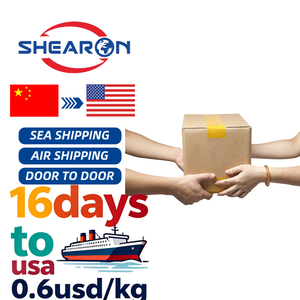
As global pharmaceutical supply chains become increasingly intricate, selecting a qualified China Best Pharma Logistics Factory & Supplier demands rigorous adherence to Good Distribution Practice (GDP), ultra-precise thermal monitoring, and strategic customs navigation. Moving active pharmaceutical ingredients (APIs), biological samples, finished dosage formulations, and medical devices across international borders requires zero margin for operational error.
Complete active and passive temperature control infrastructure. Utilizing Phase Change Material (PCM) packaging, vacuum insulation panels (VIP), and liquid nitrogen cryo-containers for sensitive biopharmaceuticals.
Strict adherence to US FDA 21 CFR Part 11, EU Annex 11, and global WHO guidelines. Full lot traceability, chain-of-custody documentation, and automated prior notice filings.
From origin pick-up in Guangdong, Shenzhen, or Shanghai to gateway hubs in Los Angeles and New York. Integrated drayage, customs clearance, and final-mile distribution.
As an established international freight forwarder with headquarters in Los Angeles, CA, and operational teams spanning New York, China, Vietnam, and Bangladesh, our infrastructure seamlessly bridges Asian manufacturing excellence with North American and European healthcare markets. As a certified member of the WCA World Network, we provide single-accountable-team logistics solutions. Whether converting complex FOB factory contracts into streamlined Delivered Duty Paid (DDP) arrangements or coordinating rapid air freight for temperature-sensitive perishables, our supply chain architects mitigate delay risks, avoid costly port demurrage, and safeguard product efficacy.
Strategic insights for global procurement managers, pharmaceutical manufacturers, and healthcare distributors navigating evolving regulatory landscapes.
Procurement strategy is pivoting away from passive data loggers read post-arrival toward real-time 5G/satellite-enabled telemetry. Modern pharmaceutical logistics suppliers must provide active monitoring of geolocation, ambient and internal temperatures, humidity levels, shock, tilt, and light exposure. This level of granular visibility empowers supply chain managers to intervene in real time if thermal excursions threaten shipment viability.
Decarbonization mandates across Europe and North America are forcing a transformation in cold-chain packaging. Procurement directors now prioritize suppliers using recyclable Phase Change Materials (PCM), reusable vacuum insulation panels, and energy-efficient active reefer units. Replacing single-use expanded polystyrene (EPS) containers with sustainable, high-thermal-efficiency shippers reduces weight, lowers air transport fuel burns, and aligns with corporate ESG goals.
To counter global maritime bottlenecks and air freight volatility, pharma buyers are moving away from "just-in-time" direct shipments toward strategic regional buffer stocks. Forward-thinking suppliers establish temperature-controlled storage hubs near major gateways like Los Angeles and New York. This enables rapid final-mile distribution, cross-docking, and seamless inventory replenishment directly into healthcare distribution networks or Amazon FBA logistics centers.
With full implementation of the US Drug Supply Chain Security Act (DSCSA) and updated European GDP rules, interoperable unit-level traceability is mandatory. Freight forwarders must not only transport goods safely but also manage complete digital documentation trails—including Harmonized Tariff Schedule (HTS) classification alignment, FDA product code verification, and Customs-Trade Partnership Against Terrorism (CTPAT) secure transit protocols.
China’s major export logistics hubs—including Guangzhou, Shenzhen, Ningbo, and Shanghai—are deploying AI-driven automated cold-storage facilities. These facilities feature automated guided vehicles (AGVs) operating in oxygen-reduced, temperature-controlled environments, minimizing human exposure and preventing thermal loss during cargo staging.
The development of hybrid transport modes (such as Sea-Air express solutions and dedicated fast ocean lanes with guaranteed reefer plug-ins) bridges the gap between high-cost air freight and slower traditional ocean transit. Importers gain precise schedule reliability for sensitive high-value non-dangerous goods.
Integration of automated EDI systems between Chinese origin agents and destination brokers (e.g., US Customs Automated Commercial Environment - ACE) enables customs entries to be filed and reviewed while cargo is still in transit. This eliminates clearance holds upon arrival at US coastal gateways.
Key technical, regulatory, and operational answers for pharmaceutical buyers, medical suppliers, and logistics planners.
Pharmaceutical logistics requires complete compliance with Good Distribution Practice (GDP) standards, validated temperature-control equipment (passive shippers, active reefer containers), real-time continuous thermal logging, and strict regulatory documentation (FDA prior notice, HTS classification, phytosanitary or chemical permits). Standard cold chain often lacks the audited chain-of-custody protocols required for medicinal products.
Under DDP terms, the logistics partner assumes complete operational and financial responsibility for the shipment from origin pickup to final warehouse door delivery. This includes origin factory pickup, sea/air freight booking, export customs, destination US customs clearance, duty and tax payments, and final drayage or trucking. The buyer receives a transparent, single landed-cost invoice without hidden administrative fees.
Our logistics infrastructure supports multiple temperature regimes: Controlled Room Temperature (+15°C to +25°C), Refrigerated Cold Chain (+2°C to +8°C), Frozen Storage (-15°C to -25°C), and Deep Cryogenic Storage (-80°C using dry ice or liquid nitrogen shippers). All solutions include calibrated, GDP-compliant data loggers.
Real-time IoT sensors automatically alert our 24/7 control tower if temperature parameters drift near pre-set thresholds. Our local origin and destination teams execute pre-approved contingency protocols, such as re-icing passive shippers, replacing dry ice at transit hubs, or prioritizing emergency airport transfer into temperature-controlled storage cells.
Yes. We specialize in China-to-Amazon FBA logistics, providing supplier consolidation, product and carton labeling checks, palletization according to Amazon strict specifications, FBA delivery appointment booking, and customs duty clearance for non-dangerous consumer health and medical devices.
Our in-house customs specialists and licensed customs brokers review product chemical structures, intended medical uses, and packaging prior to departure. We assist in setting up freight forwarding agent agreements, ensuring correct HTS code application, evaluating Section 301 tariff exposure, and submitting FDA entry filings seamlessly.
Active packaging utilizes powered refrigeration systems (compressors or electric cooling units built into air freight containers or ocean reefers) to maintain precise temperatures indefinitely as long as power is supplied. Passive packaging relies on pre-conditioned Phase Change Materials (PCM), vacuum insulation panels (VIP), and insulated outer cartons to maintain specific temperature bands for fixed durations (typically 72 to 144 hours) without external power.
Simply click our live chat or contact button to share your shipment details—including cargo origin, destination address, chemical/product classification, thermal requirements, dimensions, and estimated ready date. A dedicated Asiana USA logistics specialist will evaluate your requirements and provide a detailed, tailored quote.
Speak with our senior international logistics specialists in Los Angeles, New York, Shenzhen, or Guangzhou to secure seamless, GDP-compliant transportation for your products.
Contact Us