Select your specialized shipping corridor and multimodal service package below to connect directly with our logistics architects.
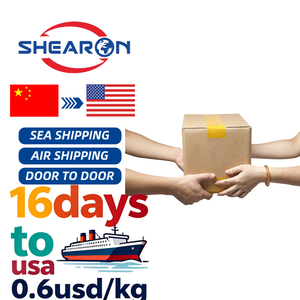
Bridging manufacturing origin hubs in East Asia with prime consumer gateways across North America and Europe.
Direct operational control across primary Chinese industrial zones including Shenzhen, Guangzhou, Ningbo, and Shanghai, alongside extended manufacturing hubs in Vietnam and Bangladesh.
Headquartered in Los Angeles, CA (7522 Maie Ave) with strategic operations in New York, coordinating direct port drayage, customs clearance, and inland distribution.
Licensed clearance specialists equipped for complex HTS classification, Section 301 tariff mitigation, entry filing, and total landed cost predictability under DDP Incoterms.
An authoritative analysis of cross-border supply chain integration, freight optimization, and risk engineering for enterprise procurement directors.
As global commerce demands accelerated cycle times and heightened cost efficiency, China’s industrial ecosystem has evolved beyond simple goods manufacturing into a fully integrated Intermodal Logistics Manufacturing Network. Modern procurement strategies no longer treat factory production and international freight forwarding as distinct operational silos. Instead, world-class enterprise supply chains combine raw material sourcing, packaging optimization, port-of-origin consolidation, and multimodal routing into a singular, synchronized workflow.
China's strategic infrastructure investments—spanning high-capacity sea-rail intermodal terminals in Ningbo-Zhoushan and Shenzhen, alongside specialized air cargo gateways in Guangzhou—allow manufacturers and logistics providers to engineer door-to-door transit schedules with unprecedented accuracy. By leveraging multi-tiered transportation nodes (Sea-Freight FCL/LCL, Air-Express, Cross-Border Rail, and Inland Trucking Drayage), modern freight forwarders eliminate bottlenecks, reduce port demurrage risks, and safeguard inventory velocity.
Key Insight for Importers: Integrating logistics engineering directly at the Chinese factory level enables optimized container space utilization (CBM maximization), pre-clearance documentation structuring, and customized palletization compliant with US retail and Amazon FBA fulfillment standards before goods ever board an ocean vessel.
Determining the optimal transport modal mix requires balancing landed cost per unit, overall transit duration, capital tie-up, and product margin profiles. The matrix below outlines the operational metrics governing modern China-to-US/Europe shipping channels:
| Transport Mode | Average Transit (China to US West Coast) | Cost Efficiency | Ideal Cargo Profile | Customs Integration |
|---|---|---|---|---|
| Direct Ocean FCL (Full Container) | 11 – 16 Days | Maximum / Lowest Per Unit | High-volume industrial, heavy equipment, bulk retail stock | Automated ISF & AMS filing prior to vessel departure |
| Ocean LCL + Express Trucking (DDP) | 14 – 20 Days | High / Variable CBM Rates | Mid-sized enterprise replenishment, e-commerce inventory | Consolidated manifest clearance with expedited terminal offloading |
| Air Freight + Final Mile Courier | 3 – 5 Days | Premium Investment | High-value electronics, seasonal apparel, urgent product launches | Immediate airport ramp release via express customs channels |
| Intermodal Sea-Rail-Truck (Midwest/East Coast) | 18 – 25 Days | Optimized Inland Routing | High-volume distribution to Chicago, Dallas, and East Coast hubs | In-bond movement with inland port customs clearance |
Traditionally, overseas buyers sourced products under FOB (Free On Board) terms, shifting total logistical accountability, marine insurance liability, ocean freight rate volatility, and customs clearance hurdles entirely onto the importer's procurement team. However, leading global brands are increasingly transitioning to DDP (Delivered Duty Paid) models managed by centralized international freight forwarders like Asiana USA.
Under a structured DDP framework, the logistics manufacturer assumes full responsibility for origin factory pickup, export declaration, ocean/air main carriage, US Customs entry, Harmonized Tariff Schedule (HTS) compliance, tariff payment (including Section 301 duties), and final-mile warehouse delivery. This shift transforms unpredictable operational costs into a fixed, predictable landed unit cost, eliminating unexpected terminal handling charges, chassis split fees, or demurrage penalties resulting from customs holds.
Navigating the complex landscape of US Customs and Border Protection (CBP) regulations requires deep domain expertise. Misclassification of goods under the HTS code can result in severe financial penalties, retroactive duty audits, or indefinite cargo seizures at port gateways such as Los Angeles/Long Beach or New York/New Jersey.
Professional intermodal forwarders perform pre-shipment tariff audits, evaluating product composition, functional utility, and applicable trade rulings. By deploying strategic duty optimization strategies—such as First Sale Valuation, Section 321 micro-shipment routing where applicable, and accurate chapter note compliance—importers can legally minimize tariff exposure while maintaining flawless regulatory compliance.
Key transformations shaping global logistics procurement for 2025–2030.
Advanced machine learning algorithms dynamically analyze maritime chokepoints, port congestion metrics, and weather patterns to re-route intermodal shipments in real-time, preventing costly supply chain delays.
Smart container sensors provide 24/7 visibility into location, temperature, humidity, and shock impacts—delivering granular quality assurance for perishable goods and high-precision electronics in transit.
Decarbonization mandates are accelerating the adoption of electrified port drayage fleets, bio-fueled ocean vessels, and energy-optimized rail networks, helping global enterprises meet ESG compliance goals.
Expert answers to common questions about intermodal logistics, DDP shipping, and customs clearance.
Under FOB (Free On Board), the China-based manufacturer is only responsible for getting goods onto the export vessel. The buyer must arrange and pay for ocean freight, marine insurance, US Customs clearance, tariffs, duties, and final destination trucking. Under DDP (Delivered Duty Paid), a single intermodal provider manages the entire seamless journey—covering all duties, taxes, clearance, and door delivery under one all-inclusive landed rate.
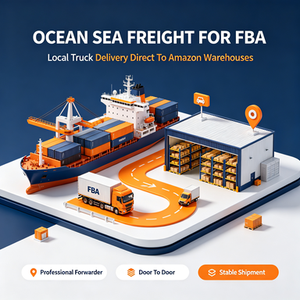
Intermodal FBA logistics streamlines factory pickup in China, carton labeling verification, palletization matching Amazon's strict floor-loading rules, and automated appointment scheduling via CARP. Containers are routed through ocean channels to US ports, cleared through customs, and immediately transferred to local drayage trucks for fast placement into FBA fulfillment centers.
Asiana USA maintains specialized operational teams across all major industrial centers in China (including Shenzhen, Guangzhou, Ningbo, Shanghai, and Qingdao), as well as key manufacturing hubs across Vietnam and Bangladesh, supported by direct US gateways in Los Angeles and New York.
Demurrage and detention fees are minimized by submitting ISF filings 24 hours prior to origin departure, securing customs pre-clearance while cargo is still at sea, and maintaining pre-allocated chassis fleets and dedicated drayage drivers for immediate container pickup upon terminal discharge.
Yes. Specialized cold-chain logistics solutions utilize advanced refrigerated (reefer) containers, continuous IoT thermal monitoring, priority port discharge protocols, and rapid customs clearance for perishable agricultural, food, and chemical products.
Provide your cargo origin, final delivery address, commodity details (HTS code if available), gross weight, total volume (CBM), and expected factory ready date. Our logistics engineers will construct a tailored multimodal route and complete landed-cost estimate.
Connect with our senior logistics directors to audit your existing freight corridors, reduce duty exposure, and implement seamless door-to-door DDP solutions from China's leading manufacturing hubs.
Contact Us