Streamlined multimodal transportation models tailored for B2B manufacturers, global importers, and e-commerce brands sourcing from China key hubs.
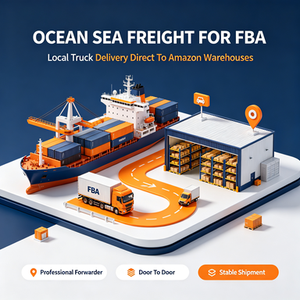
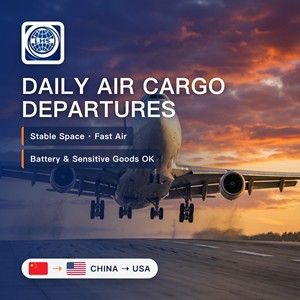
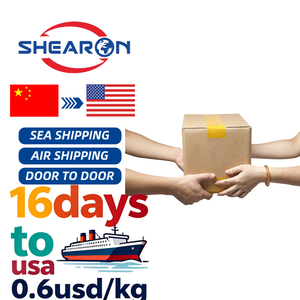
We combine direct factory pick-up in China manufacturing clusters with in-house US customs brokerage and gateway operations in Los Angeles and New York.
Our dedicated boots-on-the-ground teams in Shenzhen, Guangzhou, Ningbo, Shanghai, Vietnam, and Bangladesh coordinate directly with your OEM/ODM factories. We manage quality checks, export documentation, container stuffing, and port cartage without middleman handoffs.
Avoid expensive customs holds and Section 301 duty overpayments. Our certified trade specialists evaluate your Harmonized Tariff Schedule (HTS) classifications, arrange ISF 10+2 timely filings, and implement First Sale Rule valuation to maximize your landed profit margins.
Transition from stressful supplier-controlled FOB terms to a single transparent Landed Cost model. We handle ocean freight, origin charges, ISF, US port drayage, customs duties, and final truck dispatch, consolidating all expenses into one predictable invoice.
With strategic warehousing and drayage fleets operational near LA/Long Beach and NY/NJ ports, we bypass port congestion. We provide rapid cross-docking, Amazon FBA pallet prep, and reliable final-mile delivery across North America and Europe.
As an accredited member of WCA World, our international reach spans over 190 countries. We offer preferred vessel space allocation during peak shipping seasons, locking in stable ocean container rates even amidst fluctuating spot market conditions.
Gain total operational clarity with end-to-end container tracking. Monitor GPS location, vessel ETA updates, container temperature for reefer cargo, and automated milestone alerts from factory dispatch to warehouse doorstep.
In today's volatile global economy, procurement executives must look beyond basic freight rates when evaluating a China ocean freight manufacturer and logistics partner. The traditional paradigm of purchasing under Free On Board (FOB) terms and manually coordinating freight forwarders, customs brokers, and drayage truckers leads to fragmented accountability, hidden demurrage charges, and costly port delays. True supply chain resilience requires an integrated end-to-end framework where ocean shipping is treated as an extension of the factory floor.
By leveraging consolidated factory-to-door logistics, enterprise buyers eliminate operational friction. Direct integration with Southern China (Guangdong, Shenzhen, Guangzhou) and Eastern China (Ningbo-Zhoushan, Shanghai) manufacturing hubs allows logistics planners to align ocean liner schedules directly with factory production outputs (Ready-to-Ship dates). This synchronicity reduces warehouse buffer stock costs and eliminates pre-carriages lag time at origin ports.
"Supply chain optimization is no longer about finding the cheapest ocean container slot—it is about securing end-to-end velocity, tariff accuracy, and landed cost predictability from the factory gate to the final distribution node."
The global shipping landscape is undergoing structural shifts driven by regulatory compliance, geopolitical realignments, and technological transformation. Importers sourcing from China factories must adapt to several critical procurement trends over the coming decade:
More B2B buyers and e-commerce enterprises are abandoning legacy FOB agreements in favor of structured DDP shipping. Under DDP, the logistics provider assumes full responsibility for origin cartage, export customs clearance, maritime transit, US import duty assessment, and inland trucking. This shift grants procurement teams complete landed cost clarity before goods even depart the factory, protecting gross margins against unexpected demurrage, detention, or tariff spikes.
While China remains the undisputed global manufacturing powerhouse, global enterprises are adopting multi-country sourcing strategies. Modern logistics providers must offer unified operational capability spanning traditional Chinese industrial hubs as well as secondary manufacturing nodes in Vietnam (Haiphong, Ho Chi Minh), Bangladesh (Chittagong), and Malaysia. A single control tower managing multi-origin consolidations ensures standardized compliance and dynamic inventory routing.
The International Maritime Organization (IMO) has instituted stricter Carbon Intensity Indicator (CII) and Energy Efficiency Existing Ship Index (EEXI) regulations. Major ocean carriers are transitioning to LNG, dual-fuel methanol, and ammonia-powered vessels. Forward-thinking procurement strategies now incorporate Carbon Footprint Reporting into carrier selection, ensuring compliance with global Corporate Sustainability Reporting Directives (CSRD).
| Freight Mode | Avg Transit (China to US West Coast) | Cost Index | Best Suited For | Risk & Compliance Profile |
|---|---|---|---|---|
| Standard FCL Ocean | 14 - 18 Days | Low ($) | High-volume factory shipments (>15 CBM) | Low risk; dedicated container seal integrity |
| Consolidated LCL Ocean | 16 - 22 Days | Moderate ($$) | Mid-size orders, multi-factory consolidation | Medium risk; requires deconsolidation hub prep |
| Fast-Boat Express (Matson/ZIM) | 11 - 13 Days | Medium-High ($$$) | Time-sensitive Amazon FBA & retail replenishment | Ultra-reliable; off-dock dedicated terminal access |
| Air Cargo Express | 3 - 5 Days | High ($$$$) | High-value electronics, sample launches, emergencies | Highest speed; strict lithium battery checks |
Technological innovation is rapidly digitizing ocean freight mechanics. Key advancements engineered into modern supply chains include:
Everything procurement directors and e-commerce brands need to know about ocean logistics, tariffs, and door delivery.
Consult with our senior logistics architects to review your China supply chain, evaluate HTS compliance, and receive an instant DDP ocean freight quote.
Get a Quote