
High-velocity transshipment, origin labeling, LCL consolidation, and direct-entry DDP shipping programs engineered for modern B2B importers.
In modern global supply chain logistics, traditional warehousing—defined by extended storage cycles, high holding costs, and manual multi-touch handling—is increasingly being replaced by wholesale cross docking (XD). For global importers, retailers, and e-commerce enterprises sourcing goods from Chinese industrial hubs (such as Shenzhen, Guangzhou, Ningbo, and Shanghai), cross docking represents the vital bridge between manufacturing throughput and ultimate customer fulfillment.
At its engineering core, wholesale cross docking eliminates the "storage" node from the supply chain equation. Inbound cargo delivered from multiple OEM/ODM factories arrives at an origin consolidation cross-dock facility, where products are immediately unloaded, sorted by SKU, screened for quality, re-labeled, consolidated into destination-specific containers or pallets, and outbound-shipped within 12 to 48 hours. By converting long-term warehouse storage into a continuous fluid movement, enterprises achieve drastic improvements in operational speed and capital efficiency.
To maximize Information Gain and supply chain performance, B2B buyers must structure their China cross-dock operations based on two primary operational methodologies:
How technological advancements, trade shifts, and automated logistics networks are redefining Chinese cross-dock manufacturing infrastructure.
Next-generation facilities deploy machine learning algorithms that sync real-time factory production schedules directly with ocean vessel container allocations. Inbound trucks are dynamically assigned to automated cross-dock bays based on real-time port congestion data, preventing bottlenecks before they manifest.
Leading Chinese wholesale logistics hubs are transitioning to Autonomous Mobile Robots (AMRs) and high-speed sorter belts. This automation enables 24/7 continuous operation, pushing barcode scan validation accuracy to 99.99% while drastically shortening container loading times.
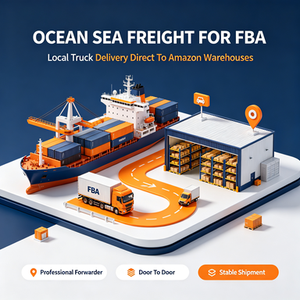
With Amazon tightening inventory storage limits and increasing storage fees, procurement models are heavily adopting "Bypass Cross Docking". Inventory is staged in origin bonded warehouses in China and cross-docked directly into FBA centers only when active stock thresholds require replenishment.
Global buyer compliance now demands sustainable transshipment processes. Modern cross-dock operators utilize smart reusable plastic sleeves, biodegradable shrink film, and automated right-size packaging machines to eliminate excess corrugated paper waste prior to export containerization.
Sourcing strategies now combine Chinese raw manufacturing capabilities with cross-dock transshipments via Southeast Asian or North American free trade zones. This provides tariff optimization options (such as Section 321 duty exemptions) without breaking supply chain continuity.
Over the past decade, the landscape of Chinese freight forwarding and warehouse manufacturing has undergone a massive structural shift. Historically, facilities operated as basic storage godowns characterized by manual tallying and fragmented local trucking networks. Today, propelled by China's massive infrastructure investments and integrated logistics parks, modern cross-dock operators function as high-tech 4PL supply chain control towers.
Modern wholesale cross-dock facilities are strategically positioned within 15 to 30 kilometers of major container terminals—such as Yantian and Shekou in Shenzhen, Nansha in Guangzhou, Beilun in Ningbo, and Yangshan in Shanghai. This proximity permits rapid port-gate turnaround, enabling late-gate cutoff container acceptance that adds up to 48 hours of extra manufacturing lead time for OEM factories.
A major development trend is the integration of cross-docking operations within Comprehensive Bonded Zones (CBZs). Foreign buyers can store components or finished goods in a tax-neutral environment, perform quality control inspections, execute export rebate documentation immediately upon gate-in, and re-export items globally without paying domestic Chinese VAT or import duties.
Leading logistics providers now supply enterprise buyers with real-time visibility dashboards. Through API and EDI standard integrations (such as EDI 214, 856, and 945), importers obtain granular SKU-level visibility the instant a pallet breaks down at a Chinese cross-dock facility, bridging the physical gap between Asian factories and overseas ERP systems (Oracle, SAP, Netsuite).
Combining on-the-ground operational control in Asia with native US customs clearance and port drayage execution.
Headquartered in Los Angeles with regional corporate hubs in New York, and dedicated operational teams stationed in Shenzhen, Guangzhou, Ningbo, Vietnam, and Bangladesh. We bridge time zone and language barriers effortlessly.
Eliminate complex freight negotiations and hidden port fees. We convert standard factory FOB quotes into a single, predictable Landed DDP Cost that covers ocean freight, customs filing, HTS duty clearance, and door delivery.
As an active member of the global WCA World logistics network, our operations adhere to strict international financial stability and operational service level agreements (SLAs), guaranteeing security for your high-value cargo.
Tariff errors eat directly into profit margins. Our licensed US customs specialists provide pre-shipment HTS code classification audits, duty exposure minimization analysis, and full filing support for anti-dumping and Section 301 tariffs.
From factory floor carton inspection to FNSKU re-labeling, bundle kitting, pallet wrapping, and Amazon CARP appointment scheduling—we ensure 100% compliance with strict Amazon fulfillment center receiving guidelines.
Specialized handling for sensitive agricultural products, food ingredients, and temperature-critical freight requiring continuous reefer monitoring, phytosanitary clearance, and priority port drayage dispatch.
Expert answers to common operational, customs, and procurement questions regarding wholesale cross-docking from China.
Connect with our senior logistics directors and US customs specialists to engineer a high-velocity, low-cost origin consolidation program tailored to your business.
Contact Us