In modern global trade, selecting a sea freight supplier and exporter is no longer merely a tactical purchasing decision; it is a vital pillar of supply chain resilience. As multinational brands, e-commerce enterprises, and industrial manufacturers adjust to geopolitical realignments, fluctuating fuel surcharges, and stringent border compliance mandates, ocean logistics requires deep operational mastery and proactive risk governance.
This industry analysis provides supply chain executives, global sourcing managers, and freight procurement directors with a data-backed operational framework. We analyze how leading NVOCCs (Non-Vessel Operating Common Carriers) and international freight forwarders convert fragmented ocean routes into predictable, cost-optimized supply lines connecting major Asian manufacturing centers—such as China, Vietnam, and Bangladesh—to key entry hubs across North America and Europe.
Asiana USA stands out among international shipping providers by maintaining dedicated boots-on-the-ground teams in strategic manufacturing hubs across Asia while delivering end-to-end management through prime U.S. coastal gateways.
Top sea freight partners must manage the complete transition from FOB (Free On Board) to DDP (Delivered Duty Paid), absorbing customs clearance, HTS code verification, ISF filing, and duty payment under a single landed invoice.
Demurrage and detention fees can quickly ruin container economics. Preferred ocean suppliers maintain dedicated drayage capacity at key West Coast (Los Angeles/Long Beach) and East Coast (NY/NJ) terminals to ensure prompt container pulls.
Regulatory adherence requires experienced in-house customs specialists. Accurate Harmonized Tariff Schedule (HTS) classification prevents overpaid duties, eliminates customs holds, and leverages specialized duty-drawback programs.
For mid-sized shipments, waiting for Full Container Loads (FCL) ties up working capital. High-ranking suppliers run regular Less-than-Container Load (LCL) consolidation routes to optimize space and shorten transit times.
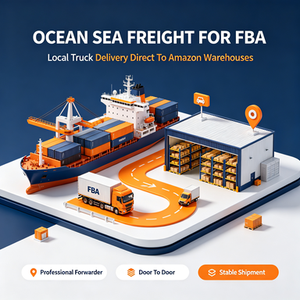
E-commerce sellers need forwarders proficient in Amazon FBA operational rules—including pallet packaging, FBA carton labeling, appointment scheduling (CARP), and direct delivery into fulfillment centers.
Transporting agriculture and produce demands specialized refrigerated containers (reefers), continuous IoT temperature tracking, and expedited FDA/USDA clearance protocols at destination ports.
Choosing the right sea freight execution model requires balancing volume economics, speed, operational handling, and administrative duties. The matrix below illustrates key trade-offs across common ocean freight transport configurations:
| Service Model | Target Cargo Volume | Customs Responsibility | Avg. Transit (China-USWC) | Primary Risk Factors | Landed Cost Predictability |
|---|---|---|---|---|---|
| FCL (Full Container Load) | > 15 CBM / High Volume | Buyer / Consignee | 12 - 16 Days | Terminal Congestion, Port Demurrage | Moderate (Subject to Surcharges) |
| LCL Consolidation | 1 - 14 CBM / Mid-Tier | Buyer / Forwarder Split | 16 - 20 Days | CFS Co-loading Delays, Mixed-Cargo Customs Holds | High (Shared Volume Rates) |
| Door-to-Door DDP | Any Volume (LCL/FCL) | Logistics Provider (Asiana USA) | 14 - 18 Days | Document Misclassification (Mitigated) | Highest (100% Fixed Landed Price) |
| Amazon FBA Sea Express | E-commerce Inventory | Integrated Forwarder | 11 - 15 Days | FC Warehouse Booking Delays (CARP) | High (Includes FBA Prep & Trucking) |
| Reefer Cold-Chain Sea | Temperature-Sensitive Goods | Priority Customs Clearance | 12 - 15 Days | Temperature Excursions, Inspection Delays | High (Requires Premium Reefer Booking) |
The International Maritime Organization (IMO) has introduced stricter Carbon Intensity Indicator (CII) regulations alongside expanded EU Emissions Trading System (EU ETS) mandates for ocean vessels. Over the next five years, ocean carriers will pass fuel transformation costs—such as LNG, green methanol, and ammonia surcharges—directly to cargo owners.
Smart procurement teams are prioritizing freight forwarders with green-sailing allocations and automated carbon tracking tools to verify regulatory compliance and hit corporate sustainability targets.
Paper-based Bills of Lading are rapidly being replaced by blockchain-backed Electronic Bills of Lading (eBL). Supported by the Digital Container Shipping Association (DCSA), full eBL adoption aims to eliminate physical courier delays, lower document loss risks, and shave 3 to 5 days off destination cargo release times.
Logistics providers running modern digital document portals allow enterprise buyers to transfer ownership instantly and initiate fast customs clearance prior to vessel arrival.
Driven by supply chain diversification, global procurement is shifting away from single-country manufacturing toward a "China+1" model. Production centers across Southeast Asia (Vietnam, Malaysia, Indonesia) and South Asia (Bangladesh, India) are seeing record export expansion.
This dynamic requires ocean freight providers to offer multi-origin consolidation networks. Enterprise importers benefit from working with logistics partners like Asiana USA, whose established local offices across China, Vietnam, and Bangladesh streamline regional routing under one centralized management platform.
Partner with an industry-leading international freight forwarder. Gain full landed cost transparency, proactive customs management, and direct origin support from factory gate to final destination.