Direct factory-to-door transportation routes, multi-modal container freight, and custom clearance solutions engineered for high-volume international importers.
For global procurement leaders, enterprise importers, and e-commerce brand directors, sourcing products from China's manufacturing clusters is only half the formula for commercial success. Establishing a resilient, transparent, and duty-optimized international freight architecture represents the decisive factor in protecting gross margins and maintaining stock availability.
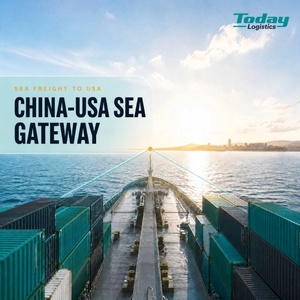
Traditional Free On Board (FOB) sourcing transfers cargo liability and administrative complexity onto buyers at the origin port. Modern enterprise procurement leverages Delivered Duty Paid (DDP) logistics models to consolidate ocean freight, customs tariffs, terminal handling fees (THC), and inland drayage into a single, highly predictable landed cost structure per SKU.
Direct integration with major manufacturing provinces—including Guangdong (Shenzhen, Guangzhou), Zhejiang (Ningbo, Yiwu), and Jiangsu (Shanghai port corridor)—ensures rapid factory floor pickups, consolidated LCL warehousing, and rigid pre-shipment cargo audits before container stuffing occurs.
Navigating US Customs and Border Protection (CBP) regulations, Section 301 tariffs, and intricate Harmonized Tariff Schedule (HTS) classifications requires dedicated legal and logistics oversight. Precise classification mitigates expensive customs holds, avoids post-entry audits, and unlocks tariff mitigation opportunities.
Headquartered in Los Angeles with secondary operational headquarters in New York and strategic origin offices across China, Vietnam, and Bangladesh, our logistics architecture delivers true end-to-end cargo visibility. Unlike pure freight brokers who hand off cargo across multiple third-party middlemen, our dedicated teams manage every touchpoint from origin factory gate to final destination warehouse doors.
By controlling both origin consolidation and US gateway drayage, importers bypass demurrage charges, avoid port detention fees, and maintain uninterrupted stock feeds directly into national distribution hubs or Amazon FBA fulfillment centers.
Proactive Risk Management: Real-time telemetry, bonded warehouse staging, and automated AMS/ISF 10+2 customs filing protect cargo schedules against regulatory bottlenecks and port congestion.
Selecting the appropriate Incoterm drastically impacts operational transparency, cash flow predictability, and regulatory compliance. Below is a strategic breakdown comparing standard commercial terms for international buyers.
| Incoterm Mode | Freight Liability Transfer | Customs & Duty Ownership | Risk Profile for Importer | Recommended Use Case |
|---|---|---|---|---|
| EXW (Ex Works) | At Supplier Factory Floor | Buyer Handles Origin & Destination | Very High | Buyers with native local origin offices in China. |
| FOB (Free On Board) | Vessel Rail at Origin Port | Supplier (Origin) / Buyer (Destination) | Moderate | Large importers managing direct ocean carrier contracts. |
| DDU (Delivered Duty Unpaid) | Buyer Destination Warehouse | Buyer Pays Import Tariffs & Taxes | Low-Moderate | Importers with existing duty-drawback setup or bond setup. |
| DDP (Delivered Duty Paid) | Final Door Destination | Forwarder Handles All Duties & Entry | Lowest / Fixed Cost | E-commerce, Amazon FBA, & streamlined enterprise purchasing. |
As global trade dynamics evolve, enterprise procurement teams must align with emerging technological and operational shifts defining the transpacific export landscape over the coming decade.
While China remains the undisputed global manufacturing benchmark, leading exporters are establishing hybrid logistics routes connecting mainland factories with secondary production nodes in Vietnam and Bangladesh. Modern logistics partners manage unified multi-origin consolidation, enabling buyers to merge shipments from Guangzhou, Ho Chi Minh, and Chittagong under a centralized tracking dashboard.
Automated algorithms now parse complex HTS classifications, duty drawback schemes, and fluctuating Section 301 surcharges in real time. Importers using predictive landed-cost engines accurately quote catalog pricing to downstream B2B customers months before ocean containers dock at US gateways.
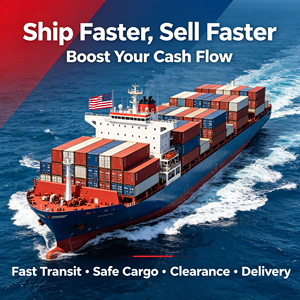
To keep pace with instant e-commerce inventory turnover, dedicated ocean express lines (combining premium vessel speeds with prioritized port offloading and pre-reserved drayage chassis) bypass standard terminal delays, reducing China-to-FBA warehouse lead times to as low as 12–15 calendar days.
Paperless documentation through electronic Bills of Lading (e-BL) and automated single-window customs filing eliminates paper document transmittal lags, enabling immediate vessel-side release upon container touchdown at West and East Coast ports.
High-value agriculture, food tech, and temperature-sensitive products demand continuous climate control. Next-generation reefer containers incorporate IoT sensors broadcasting live internal temperatures, humidity levels, and GPS positioning directly to quality control auditors.
Sustainability mandates are pushing major corporate importers toward zero-emission freight programs. Utilizing electric port drayage trucks and carbon-offset ocean transit allows brands to meet stringent ESG compliance metrics across international supply chains.
Different product categories encounter distinct regulatory, packaging, and handling challenges during international transit. Our specialized freight divisions customize shipping parameters for core industrial sectors.
Apparel shipments from China, Vietnam, and Bangladesh demand high-cube container utilization, moisture-controlled GOH (Garment on Hanger) options, and strict compliance with textile origin labeling. Integrated warehousing provides cross-docking and re-labeling prior to retail distribution.
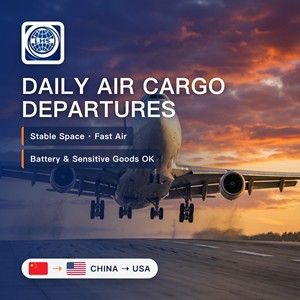
Transporting electronics requires strict adherence to UN38.3 lithium battery safety regulations, MSDS documentation, and hazardous materials cargo declarations. Air freight consolidation options accelerate product rollouts while maintaining safety compliance.
Heavy, irregular, and high-density industrial cargo requires specialized ocean equipment (Flat Rack, Open Top) combined with heavy-haul drayage permits across US highway corridors. Precision tariff guidance prevents misclassification of complex automotive assemblies.
Agricultural commodities require rapid phytosanitary inspections, USDA clearance coordination, and zero-delay cold chain handoffs. Priority port discharge ensures rapid transfer from vessel reefer plugs to temperature-controlled drayage trailers.
Expert guidance addressing critical logistics, customs tariffs, and export execution questions commonly raised by global sourcing teams.
