Seamless cross-border freight forwarding, reefer container monitoring, and door-to-door delivery engineered for high-value agricultural machinery, crop inputs, and food exports.
Integrated door-to-door sea freight forwarding for agritech spare parts and hardware with localized Siscomex customs clearing.
Inquire Now
Rapid air courier for precision farming sensors, drone accessories, and emergency machinery breakdown parts directly to Brazil.
Inquire Now
Over-dimensional cargo handling, breakbulk ocean freight, and insured inland pickup for grain processing plants and silos.
Inquire Now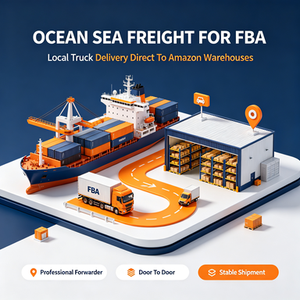
HAZMAT-compliant, temperature-stable container shipping for agricultural chemicals, bio-pesticides, and soil nutrients.
Inquire Now
Cold-chain ocean transport equipped with IoT atmosphere control for fruit, meat, and organic agricultural commodities.
Inquire Now
Origin warehouse storage, palletizing, cargo inspection, and export customs filing across key manufacturing hubs in Asia.
Inquire Now
Dedicated heavy-duty road freight from Port of Santos and Paranaguá directly to rural agricultural distribution hubs.
Inquire Now
Full-service customs broker support for phytosanitary certificates, NCM tariff classification, and Siscomex entry.
Inquire NowBrazil stands as one of the world's leading agricultural powerhouses, contributing massively to global food security through its trade in soybeans, corn, sugar, coffee, poultry, and beef. However, sustaining this massive output demands a robust, resilient supply chain connecting international machinery manufacturers, chemical producers, and specialized exporters with Brazilian farms. As an experienced logistics factory and freight forwarding exporter specializing in the Asia-South America maritime corridor, we offer deep operational integration that addresses the complex logistical realities of the Brazilian market.
Information Gain Insight: Navigating Brazilian agricultural imports requires more than standard ocean carriage. Success depends on overcoming port congestion at Santos and Paranaguá, executing flawless MAPA (Ministério da Agricultura e Pecuária) phytosanitary releases, and navigating complex NCM/Siscomex tax structures.
The trade dynamic between Asian manufacturing centers (such as Guangdong, Zhejiang, and Shandong in China) and the Brazilian agricultural sector has evolved significantly. Brazilian importers no longer source merely raw materials; they import highly sophisticated precision agricultural drones, automated irrigation systems, solar-powered agricultural pumps, heavy tractors, and bio-pesticide formulations. Moving these items requires tailored logistics strategies:
Over-Dimensional Cargo (Breakbulk & Open Top): Heavy harvesters and grain storage silos require specialized flat-rack or open-top container stowage, accompanied by pre-shipment survey approvals to comply with Brazilian port authority regulations.
Temperature-Controlled Cold Chain (Reefer Logistics): Moving fresh agricultural products, biological pest controls, or veterinary vaccines requires continuous cold chain integrity, utilizing active IoT temperature logging devices and port plug-in guarantees upon arrival at South American maritime terminals.
Transporting heavy tillage equipment and combine harvesters from factories in East China to inland farming hubs like Sinop or Sorriso in Mato Grosso. Our end-to-end service includes ocean transport to Santos, customs release, and heavy-haul road drayage along the BR-163 highway corridor.
Coordinating reefer container fleets for Brazilian fresh produce exporters shipping melon, citrus, and frozen animal proteins from the Northeast (Port of Pecém/Suape) and South (Port of Itajaí/Paranaguá) to Asian consumer markets under strict humidity control.
Navigating dangerous goods (DG) compliance, IMDG class validation, and specialized container lining for imported liquid fertilizers and active chemical ingredients bound for Brazilian formulating plants.
Air-freight rapid response solutions for lithium-battery powered agricultural spraying drones and IoT soil-monitoring hardware, complete with ANATEL and Receita Federal compliance management.
Understanding emerging trade and regulatory trends is vital for procurement executives managing cross-border logistics to Brazil:
A. Modernization of the Port of Santos & Paranaguá: Infrastructure upgrades and privatization initiatives in key Brazilian ports aim to reduce demurrage costs and vessel wait times. Importers leveraging carriers with dedicated terminal access gain up to 7 days faster container discharge.
B. MAPA Digitalization & "Green Channel" Filings: The Brazilian Ministry of Agriculture (MAPA) has accelerated its digital inspection protocols via the Siscomex system. Pre-lodgment of phytosanitary records before vessel berth drastically reduces cargo hold times from weeks to hours.
C. Sustainability & Decarbonized Freight Corridors: Brazilian agribusiness buyers increasingly audit supply chain carbon footprints. Utilizing modern container fleets and fuel-efficient ocean routes aligns with ESG requirements mandated by global food supply standards.
D. Brazilian Tax Reform (Reforma Tributária) Adaptations: The ongoing restructuring of ICMS, PIS, and COFINS import taxes requires precision in CIF/DDP valuation to prevent overpayment of tariffs at the port of entry.
| Transport Mode | Avg. Transit Time | Ideal Agricultural Commodity / Equipment | Key Regulatory Requirement |
|---|---|---|---|
| FCL Ocean Freight | 28 - 34 Days | Tractors, Irrigation Systems, Agrochemicals | Siscomex Import Declaration (DI) |
| Reefer Ocean Freight | 26 - 32 Days | Fresh Fruit, Meat, Seeds, Biologicals | MAPA Temperature Logs & Clearance |
| Breakbulk / Ro-Ro | 35 - 42 Days | Harvesters, Silos, Heavy Storage Equipment | Pre-Load Stowage Inspection Report |
| Air Express | 3 - 7 Days | Drones, Micro-Sensors, Spare Machine Parts | ANATEL Certification (if wireless) |
As a leading international freight forwarder and logistics factory with deep roots in Asia and an expansive network across South America, we bring unmatched reliability to your agricultural import operations:
Answers to common questions regarding customs, taxes, transport lead times, and regulatory compliance for agricultural products entering Brazil.
We mandate pre-shipment documentation reviews before cargo leaves origin ports. By pre-filing phytosanitary certificates, packing lists, and wood packaging treatment notices (ISPM 15) in the Siscomex system, we ensure fast-track inspection clearance upon vessel discharge.
Under FOB (Free on Board), your supplier only manages cargo up to the port of origin. Under DDP (Delivered Duty Paid), our service covers origin pickup, international ocean freight, Brazilian import customs duties (II, IPI, PIS, COFINS, ICMS), clearance fees, and final mile trucking directly to your farm or facility.
Yes. All wooden crates, pallets, and dunnage used in our factory packaging and warehousing undergo heat treatment (HT) and carry official ISPM 15 stamps, preventing cargo rejection by Brazilian agricultural inspectors.
Absolutely. We operate an established inland drayage network connecting major coastal ports (Santos, Paranaguá, Rio Grande, Itajaí) with agricultural heartlands across Brazil, utilizing heavy-duty trucks equipped with GPS tracking.
We verify MSDS documents, ensure correct UN-certified packaging, obtain carrier DG approvals, and enforce strict IMDG stowage segregation to guarantee safe ocean transport to South American ports.
To begin, you will need a Commercial Invoice, Detailed Packing List, Bill of Lading (B/L), NCM tariff classification codes, and an active RADAR license registered with the Brazilian Receita Federal. Our regulatory desk provides guidance on all requirements.
Connect with our senior logistics specialists today for custom freight quotes, MAPA regulatory consultation, and end-to-end ocean shipping schedules.
