
Deploying verified door-to-door (DDP/DDU) freight solutions, factory consolidation, and compliance clearance across Asian manufacturing hubs to Japan, North America, and Europe.



Exporting manufactured goods into Japan requires navigating one of the world's most sophisticated regulatory, customs compliance, and tax environments. As global supply chains diversify across China, Vietnam, Bangladesh, and Southeast Asia, international factories and foreign exporters face stringent entry protocols dictated by Japan Customs (Nippon Zeikan), the Ministry of Economy, Trade and Industry (METI), and the Ministry of Health, Labour and Welfare (MHLW).
Unlike standard western destinations where Delivered Duty Paid (DDP) arrangements rely heavily on simplified Importer of Record (IOR) defaults, Japanese customs enforcement prohibits non-resident entities from directly acting as the IOR without an officially designated Attorney for Customs Procedures (ACP - Zeikan Jimusho) or establishing a domestic Japanese corporate presence. This comprehensive guide outlines the operational infrastructure, regulatory laws, tax structures, and freight routing methodologies necessary for factories and exporters serving the Japanese market.
All commercial cargo entering Japanese territory through sea gateways such as Tokyo, Yokohama, Nagoya, Osaka, and Kobe, or air hubs like Narita (NRT) and Kansai (KIX), is governed under the Customs Law of Japan (Law No. 61 of 1954). Customs declarations are processed electronically through NACCS (Nippon Automated Cargo and Port Consolidated System).
When clearing factories' cargo into Japan, exporters must account for two financial components at port clearance: Customs Duty (Tariffs) and Japan Consumption Tax (JCT).
| Import Component | Calculation Standard | Regulatory Body | Operational Compliance Note |
|---|---|---|---|
| Customs Duty | Based on Harmonized System (HS Code) tariff classification against CIF value. | Japan Customs | EPAs (e.g., RCEP, CPTPP) allow preferential duty rates with valid Certificates of Origin. |
| National Consumption Tax | 7.8% calculated on (CIF Value + Import Duty). | National Tax Agency (NTA) | Mandatory tax levied at customs declaration phase prior to cargo release. |
| Local Consumption Tax | 2.2% calculated based on National Consumption Tax amount. | Local Municipal Tax Authorities | Brings the total effective JCT rate to the standard 10% rate. |
Customs clearance for factories exporting to Japan goes beyond financial filings. Specific product categories require pre-import authorization before customs release is granted:
Electrical Appliances & Consumer Electronics (PSE Law): Governed by METI, electrical devices must conform to Technical Requirements. Products fall into Specified Electrical Appliances (Category A - Diamond PSE mark) requiring third-party testing, or Non-Specified Electrical Appliances (Category B - Circle PSE mark) requiring self-declaration and domestic importer METI notifications.
Food Products, Kitchenware & Toys (Food Sanitation Act): Administered by the MHLW, items contacting food or used by infants under 36 months require mandatory pre-import notifications (Shokuhin Gakko Kensa) at quarantine stations. Factory ingredient listings, manufacturing process charts, and laboratory test results must be submitted prior to shipment arrival.
Headquartered in Los Angeles with key offices in New York, and dedicated operational teams across China, Vietnam, and Bangladesh, we bridge global manufacturing bases directly with Japanese and Western trade lanes.
Our localized teams across major export hubs in Shenzhen, Guangzhou, Ningbo, Vietnam, and Bangladesh work directly with your factories to verify packing lists, commercial invoices, and origin certificates prior to vessel loading.
We solve the Non-Resident Importer barrier in Japan. By providing structured Attorney for Customs Procedures (ACP) governance and landed-cost DDP modeling, cross-border sellers and factories can clear goods seamlessly.
In-house licensed customs brokers assist with precise HS code classification, duty exposure analysis, and execution of bilateral trade agreement discounts (RCEP/CPTPP) to protect factory profit margins.
Tailored supply chain execution engineered for specific Japanese industry verticals, delivery endpoints, and fulfillment networks.
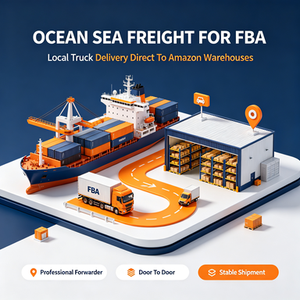
Exporters shipping from Guangdong or Vietnam direct to Amazon Japan fulfillment centers (such as FBA Ichikawa KIX1, FBA Hachioji TYO2, or FBA Sakai) face strict acceptance criteria. Shipments arriving without prior duty payment or under invalid non-resident names are rejected at warehouse docks. Our ACP+DDP shipping service manages factory pickup, ocean LCL/FCL, NACCS filing, inland trucking, and scheduled FBA delivery appointments without vendor friction.
Key Ports: Tokyo Port, Yokohama Port, Narita AirportFactories exporting smart home electronics, lithium-ion battery banks, or household appliances must clear METI regulatory hurdles. We coordinate pre-shipment factory sampling, align technical documentation with Japanese domestic reporting entities, and conduct bonded warehouse storage at Yokohama while customs clearances are pending under circular PSE protocols.
Compliance: PSE Mark, TELEC Wireless CertificationApparel manufacturers operating out of Bangladesh and Vietnam require multi-country origin consolidation prior to ocean transit to Kansai (Osaka/Kobe). We handle specialized apparel processing, GSP/RCEP duty privilege documentation, hang-tag verification, and final mile store-door delivery across retail hubs in Tokyo (Shinjuku/Ginza) and Osaka (Umeda).
Origins: Dhaka, Chittagong, Ho Chi Minh, NingboHandling cold-chain refrigerated containers (Reefers) containing agricultural produce or food-packaging materials entering Kobe and Osaka ports. Our specialized team coordinates expedited MHLW food sanitation inspections, temperature-controlled drayage, and priority quarantine processing to ensure zero shelf-life loss.
Gateways: Kobe Port, Osaka Port, Kansai AirportThe landscape for factories exporting to Japan is undergoing structural changes driven by legislative reforms, tax digitization, and modern environmental standards. International exporters must adapt their operational strategies to remain competitive.
Enacted by Japan's National Tax Agency, the Qualified Invoice System (Tekikaku Seikyuusho Hoshiki) requires business entities claiming Input Consumption Tax Credits to register for a JCT Tax ID (starting with "T" followed by 13 digits). Overseas factories selling directly to Japanese corporate buyers (B2B) or via marketplace channels (Rakuten, Yahoo! Japan, Amazon Japan) must issue qualified tax invoices. Exporters failing to comply force their domestic buyers to bear an extra 10% unrecoverable tax burden, driving buyers away to compliant suppliers.
Historically, freight forwarders used grey-market "Nominal Importers" or unauthorized logistics agents to clear DDP e-commerce goods into Japan. Japan Customs has systematically cracked down on these practices. Modern customs audits enforce strict compliance: foreign factories must either utilize a transparent ACP framework or sell under standard FOB/CIF terms to an authenticated domestic Japanese buyer acting as IOR. Our setup guarantees 100% legal audit protection.
The deployment of 6th-Generation NACCS systems across Japanese ports has digitized air cargo manifests and container release protocols. Real-time API integration between origin factory order systems, ocean carrier manifests, and Japanese customs clearance software now allows pre-clearance filings prior to vessel docking, reducing container dwell times at Tokyo Port from 4.2 days down to under 18 hours.
In response to Japan's 2050 Carbon Neutral Goal, logistics routing from major ports into urban distribution centers prioritizes low-emission transport. Feeder ocean networks and electrified rail drayage from Yokohama to regional warehouses are becoming standard requirements for enterprise RFPs.
Clear, technical answers to critical questions faced by foreign factories, exporters, and procurement managers trading with Japan.
No. Under Japan Customs Law, a non-resident entity without a registered branch office or legal residence in Japan cannot serve as the IOR. However, an overseas factory can operate under an Attorney for Customs Procedures (ACP) structure. Under this system, the foreign entity remains the legal owner of the goods, while the registered ACP administrator handles customs procedures, filings, and tax submissions locally.
Under DDU (Delivered Duty Unpaid), the Japanese buyer assumes responsibility for customs clearance, tariff payments, and local consumption tax (JCT) upon cargo arrival at port. Under DDP (Delivered Duty Paid), the seller/exporter bears all logistics costs, tariffs, and JCT payments up to the buyer’s doorstep. For Japan DDP, the exporter must utilize a designated ACP or local logistics partner to declare and pay the required duties and JCT at port of entry.
Import JCT is calculated at a total rate of 10% (7.8% National Consumption Tax + 2.2% Local Consumption Tax). The tax base is the landed CIF value of the goods (Cost of Goods + Freight + Insurance) plus any applicable Customs Duty. Formula: JCT Amount = (CIF Value + Duty) × 10%. This tax must be paid upfront to Japan Customs before goods are released for local transportation.
Electronic products entering Japan generally fall under the Electrical Appliance and Material Safety Law (PSE Law). High-risk items (Category A) require testing by an authorized inspection body to obtain a Diamond PSE certificate. Lower-risk items (Category B) require self-declaration and Circle PSE labeling. Devices featuring Wi-Fi or Bluetooth functionality also require TELEC (Radio Law) technical conformity certification.
To claim preferential zero or reduced duty rates under Free Trade Agreements like RCEP (Regional Comprehensive Economic Partnership) or CPTPP, factories in participating Asian nations (e.g., China, Vietnam) must issue an official Certificate of Origin (Form RCEP/CPTPP). The exporter must ensure that the HS Code on the certificate aligns exactly with Japan’s tariff schedule and that origin criterion rules are strictly satisfied.
Amazon Japan warehouses explicitly refuse to act as the Importer of Record (IOR) or pay duties/JCT on behalf of sellers. If an exporter sends cargo via standard courier or freight without setting up an ACP or using a verified DDP logistics provider, Japan Customs holds the cargo for unpaid taxes, or Amazon rejects delivery at their warehouse gates. Utilizing our specialized FBA Japan DDP program guarantees seamless acceptance.
Speak directly with our senior freight specialists and customs experts. We will audit your product HS codes, setup your ACP framework, and deliver door-to-door landed cost calculations from factory floor to Japanese delivery points.
Get a Quote