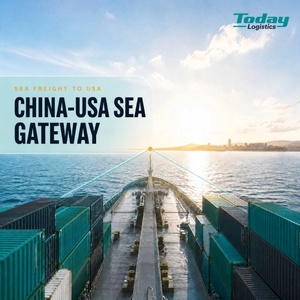
Streamlined freight services engineered for high-velocity supply chains operating between primary Asian industrial manufacturing hubs and U.S. nationwide distribution networks.
An executive analysis of U.S. logistics infrastructure, multimodal freight networks, regulatory compliance frameworks, and modern landed-cost optimization.
The modern landscape for freight transport manufacturers & suppliers in the United States has undergone a structural transformation. Importers, enterprise buyers, and industrial conglomerates no longer look at freight forwarding as a purely transactional commodity. Increased tariff complexity under Section 301, persistent port congestion variables along the US West Coast (Los Angeles & Long Beach) and East Coast (NY/NJ), and strict retailer delivery SLA expectations require a fully accountable, integrated supply chain framework.
Operating a successful commercial import channel into the United States requires moving beyond fragmented point-to-point booking. It mandates strategic alignment with licensed NVOCCs and logistics partners capable of converting traditional FOB (Free On Board) origin terms into seamless DDP (Delivered Duty Paid) execution models.

Selecting the optimal freight transportation mode based on speed, cost, regulatory burden, and risk factors.
| Transport Mode | Transit Time (Asia to USA) | Best For (Commodity Types) | Incoterm Advantage | Customs & Drayage Complexity |
|---|---|---|---|---|
| Ocean Freight (FCL) | 14 - 22 Days (USWC) / 28 - 35 Days (USEC) | High-volume industrial goods, auto parts, raw materials | FOB converted to DDP | High (Requires immediate drayage & port demurrage planning) |
| Ocean Freight (LCL) | 18 - 25 Days (USWC) | Medium-volume e-commerce, consolidated retail shipments | DDP / Door-to-Door | Moderate (De-consolidation required at CFS warehouse) |
| Air Freight Express | 3 - 5 Days Nationwide | High-value electronics, seasonal apparel, sample runs | DDP / Courier Entry | Low (Rapid automated airport customs clearance) |
| Multimodal Intermodal | 18 - 28 Days (Door Inland) | Heavy machinery, agricultural products, inland distribution | DDP / Rail Drayage | High (Ramp drayage coordination required) |
Different industries face unique logistical constraints. Here is how our specialized freight transport services integrate directly into U.S. regional operations.
U.S. automotive assembly hubs and aftermarket distributors across the Midwest (Detroit, Indianapolis) demand precise JIT (Just-In-Time) inventory delivery. We manage heavy-weight containerized sea freight from Asia, clear U.S. customs under strict HTS codes, and dispatch quick-turn drayage directly to assembly lines.
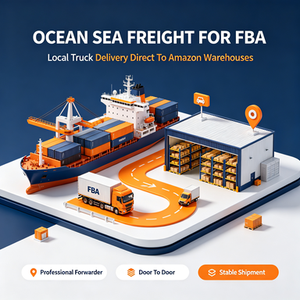
Navigating the stringent inbound delivery windows of Amazon FBA fulfillment centers (ONT8, FTW1, JFK8) requires flawless appointment scheduling, pallet labeling checks, and local transloading. Our West Coast and East Coast warehouse hubs inspect, restencil, and deliver e-commerce inventory with zero rejection rates.
Agricultural products, food supplies, and sensitive consumables require seamless cold-chain logistics. Utilizing state-of-the-art reefer containers, automated temperature logging, and accelerated FDA/USDA customs clearance, we eliminate warm-chain exposure at key coastal ports.

Navigating the U.S. import ecosystem requires proactive compliance management. Recent regulatory changes, fluctuating Section 301 tariffs, and strict CBP (U.S. Customs and Border Protection) auditing protocols mean that incorrect paperwork can paralyze supply chains for weeks.
Leading freight transport suppliers in the United States are leveraging sophisticated tariff engineering, such as the First Sale Rule and bonded warehousing, to legally reduce duty burdens for importers while guaranteeing 100% compliance.
Combining deep localized U.S. terminal experience with dedicated origin teams across Asia's prime manufacturing corridors.
With operational headquarters in Los Angeles, California (Maie Ave) and strategic offices in New York, Asiana USA provides seamless coverage across both West Coast and East Coast ocean terminals and rail corridors.
Unlike traditional brokers who outsource origin logistics, our owned teams on the ground in Shenzhen, Guangzhou, Vietnam, and Bangladesh manage factory pickup, export documentation, and cargo consolidation firsthand.
As an accredited member of WCA World, Asiana USA adheres to global forwarding standards, providing fully insured, compliant, and transparent shipping operations from factory floor to landed destination.
Essential procurement and logistical insights for enterprise importers and procurement managers sourcing freight transport services.
Partner with an established, people-first international freight forwarder. Gain complete transparency, landed-cost predictability, and zero-defect customs clearance for all your U.S. imports.