Engineered specifically for cross-border textile brands, Kansai apparel buyers, department stores, and fast-fashion retailers entering Japan via Osaka Nanko Port and Kansai International Airport (KIX).
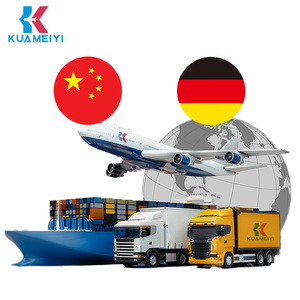
Full container (FCL) and consolidated (LCL) freight with pre-cleared customs for smooth transit to Osaka's retail hubs.
Inquire Now
Weekly high-frequency maritime sailings connecting Guangzhou, Shanghai, Vietnam, and Bangladesh to Kansai maritime terminals.
Inquire Now
Ultra-fast 24 to 48-hour air freight service into Kansai International Airport (KIX) tailored for seasonal fashion prototyping and urgent sample reviews.
Inquire Now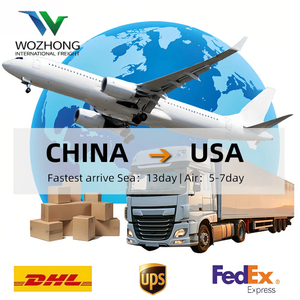
Wrinkle-free, rack-ready fashion air transportation engineered for high-end boutique apparel landing directly in Shinsaibashi and Umeda.
Inquire Now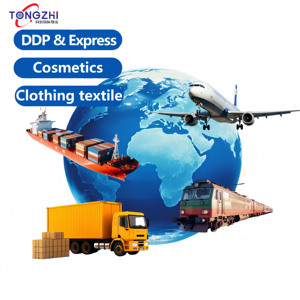
Integrated warehousing, sorting, and Japanese-language barcode compliance labeling tailored for fashion e-commerce logistics.
Inquire Now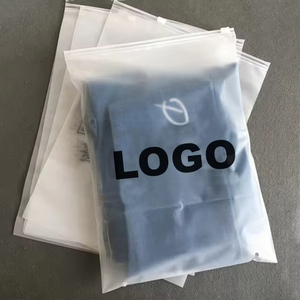
Eco-conscious packaging solutions meeting Japan's stringent plastic recycling guidelines and premium brand unboxing standards.
Inquire Now
Optimized bulk container shipping with moisture-controlled desiccant lining for major garment manufacturing runs bound for Kansai regional hubs.
Inquire Now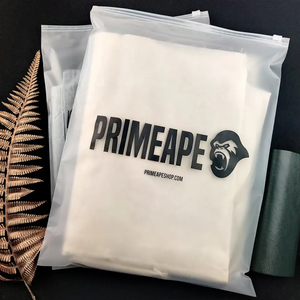
High-grade matte frosted ziplock apparel protection with customized logo printing for direct-to-consumer Osaka retail deliveries.
Inquire NowAs western Japan’s primary commercial epicenter, the Osaka & Kansai metropolitan area represents a unique high-density retail market demanding precision timing, strict quality assurance, and seamless logistics execution. Importing apparel into Osaka requires navigating complex regional logistics channels—primarily centered around the major maritime terminal of Osaka Nanko Port and the high-speed air cargo infrastructure at Kansai International Airport (KIX).
For international garment manufacturers, exporters, and local fashion brand buyers, establishing a competitive advantage in Osaka is no longer just about low manufacturing costs. It requires a fully integrated supply chain framework that harmonizes customs clearance, specialized garment packaging, zero-needle inspection protocols (Kenpin), and optimized Incoterms (specifically FOB to DDP conversion).
To achieve maximum cost efficiency and speed-to-market, apparel importers in Osaka must strategically split their freight volume between maritime transport and express air channels based on seasonal demand cycles and SKU margins:
| Logistics Route | Primary Transport Mode | Average Transit Time | Target Fashion Categories | Customs Advantage |
|---|---|---|---|---|
| Guangzhou / Shanghai to Osaka Nanko | Ocean Freight (FCL / LCL) | 3 - 5 Days | Bulk Basic Apparel, Denim, Home Textiles | Direct NACCS Sea Filing, Low Unit Cost |
| Ho Chi Minh / Haiphong to Osaka Port | Ocean Freight (FCL) | 7 - 9 Days | Outerwear, Sportswear, Tailored Suitings | RCEP / AJCEP Duty Exemptions |
| Chittagong to Osaka via Transit Hub | Ocean-Express Feeder | 14 - 18 Days | Knitwear, T-shirts, Large Volume Retail | Optimal landed cost per garment unit |
| Asia Manufacturing Hubs to KIX Airport | Air Freight (GOH / Flat Pack) | 24 - 48 Hours | High-End Luxury, Seasonal Samples, Runway | Express Customs Pre-Clearance |
Importing garments into Osaka department stores (such as Hankyu Umeda, Hanshin, or Takashimaya) or major e-commerce platforms like ZOZOTOWN requires compliance with Japan’s strict consumer safety laws. Unlike North American or European markets, Japan enforces mandatory Kenpin (检针 - Needle Inspection) protocols.
Every shipment of clothing must pass through calibrated double-head conveyor needle detectors (typically 0.8mm or 1.0mm ferrous detection thresholds) prior to retail delivery. Additionally, products must strictly adhere to the Household Goods Quality Labeling Act and utilize standardized JIS L 0001 symbols for care labeling written in Japanese. Partnering with a logistics manufacturer that performs pre-shipment origin inspection, compliant packaging, and accurate label placement eliminates expensive re-work at Osaka warehouses.
• Kenpin Certificate: Formal documentation verifying 100% metal/needle detection check at origin factory or consolidation hub.
• JIS L 0001 Care Labels: Mandatory Japanese language care tags including fiber content percentage, importer name, and contact info.
• Anti-Mold Protection: Controlled silica packs and micro-perforated polybags suited for Kansai's humid summer maritime transit.
For high-value apparel, suits, coats, and delicate dresses, handling costs upon arrival in Osaka can heavily erode brand margins. Utilizing Garment-on-Hanger (GOH) sea and air containers allows items to be transported directly on hanging systems from manufacturing facilities to distribution hubs in Osaka's Senba wholesale district or Minami retail zones.
Conversely, for high-volume fast fashion, utilizing GRS-certified (Global Recycled Standard) frosted zipper polybags with anti-burst seals maximizes carton packing density, reducing volumetric freight weight by up to 22% while supporting green initiatives favored by modern Japanese shoppers.
Why leading global apparel manufacturers rely on our localized Osaka freight network to stream supply chains.
Direct priority air freight lanes into Kansai International Airport with expedited customs processing. Ideal for immediate replenishment of trending fashion lines and seasonal collection launches.
Strategic warehousing located near Port of Osaka and Rinku Town. Offering cross-docking, Japanese retail price tagging, e-commerce pick-and-pack, and direct delivery across Kansai.
Direct electronic integration with Japan’s Nippon Automated Cargo and Port Consolidated System (NACCS). Ensuring tariff classification precision (HS code filing) and fast clearance.
We convert traditional FOB factory purchases into transparent, all-inclusive Delivered Duty Paid (DDP) terms, incorporating ocean freight, Japanese consumption tax (JCT), and final-mile trucking.
Dedicated container drayage fleet operating out of Osaka Nanko container terminals, preventing costly port storage penalties and guaranteeing smooth factory-to-warehouse flows.
Supply of custom-branded, GRS-compliant recycled frosted zipper bags and bio-degradable shipping sacks tailored to Japanese eco-responsibility standardizations.
To succeed in western Japan’s competitive apparel landscape, global exporters and local buyers must align their supply chain practices with three major macro-industry developments:
With the implementation of the Regional Comprehensive Economic Partnership (RCEP), trade corridors between China, Vietnam, Cambodia, and Japan enjoy progressive tariff reductions on knitted and woven garments. By utilizing proper Certificates of Origin (Form RCEP or Form AJCEP), Osaka importers can slash import tariffs from standard rates (typically 8%-10%) down to preferential zero-duty or reduced duty tiers, yielding substantial bottom-line savings.
Driven by the booming popularity of e-commerce platforms and social-commerce pop-ups in Osaka’s fashion hubs (Shinsaibashi, Chuo-ku, Umeda), inventory turn-times have compressed. Retailers no longer order 6 months in advance; instead, they utilize continuous small-batch replenishment cycles. Our logistics infrastructure provides micro-consolidation at Asian manufacturing hubs with frequent 4-day ocean shipments into Osaka Nanko Port.
Japanese consumers strongly prioritize environmentally responsible corporate practices. Apparel brands moving away from traditional single-use virgin plastic packaging toward GRS-certified matte frosted zip polybags gain a distinct market positioning advantage. Our packaging solutions ensure full compliance with Japan's Container and Packaging Recycling Law.
Backed by decades of international freight forwarding leadership, our organization bridges the gap between Asian manufacturing hubs and local distribution across Japan and worldwide.
Local teams positioned directly in major apparel manufacturing centers: China (Guangzhou, Shanghai, Ningbo), Vietnam, Bangladesh, and key regional hubs.
Certified member of the global WCA network, guaranteeing seamless multimodal logistics connections, carrier accountability, and international coverage.
Dedicated human logistics specialists tracking every container. Real-time status visibility without getting lost in automated phone trees.
Expert guidance on customs, transit times, inspection standards, and delivery protocols for importing textiles to Osaka.
Connect with our cross-border logistics specialists to receive a customized landed cost breakdown, GOH availability schedule, or freight rate quotation tailored for the Osaka market.
